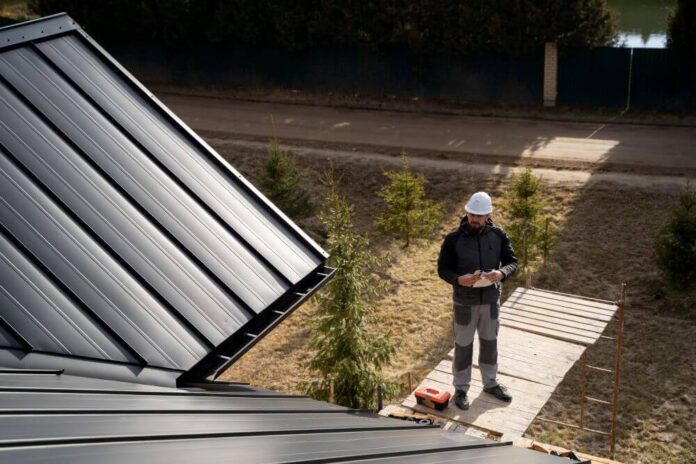
A safe roof area is crucial for anyone working at height, be it for inspections or repairs, and even installations. With the nature of a roofing environment subject to rapid change, it is necessary to ensure the presence of relatively dependable safety measures at all times. The following are critical components that help make a roof work area safe and compliant:
Strong and Stable Access Points
Access that is secure and safe is the first step in safe roof work. A ladder, a platform, or an entry hatch could be included in this category. Not only should these features be firmly secured, but they should also be able to support the weight of the worker as well as any equipment that they bring along with them.
Otherwise, these weak or manually vulnerable access points are frequently the cause of pre-job trauma and falls. The inspecting judge is likely to notice signs of rust, loosening bolts, or misalignment.
Reliable Edge Protection and Fall Prevention Systems
To avoid falling, employees should have guardrails, static lines, anchor points, and other instruments that provide them with secure spots. Each worker has to undergo training on how to operate the systems properly.
Improper attachment or disrepair can turn a safety feature into a hazard. Often, professional roof safety solutions are invited to secure the use of compliant systems that protect work in every zone.
Clear Walkways and Safe Movement Paths
Clear all of the broken roof sections so workers can enter and exit without falling or tripping. Workers can use specially marked walkways, non-slip surfaces, and demarcated paths to guide them safely as they shuffle.
They should avoid travelling on routes that pass over weakened materials or dangerous locations. Remove the debris and maintain it on a regular basis. Debris isn’t always beneficial; letting it accumulate will lead to your downfall.
Strong Roof Structure and Load-Bearing Stability
The roof’s strength should be sufficient to bear the workers, tools, and any other working materials. If the roof is structurally weak in some parts or the materials are old and/or have been damaged by moisture, the roof can collapse with the maintenance workers on it.
Inspection identifies areas that need reinforcement or avoidance. Weight limits prevent the roof from being loaded with heavy machines. The workers should be aware of the location of fragile sections, as some surfaces are not designed to hold neutral weight.
Proper Signage and Hazard Identification
Signage implies clear itineraries for the workers to note the restricted zones, anchor location, and fragile surface and identify electrical hazards. Well-placed and visible pointers help avoid confusion while making safety judgments. In this case, labels that fall off or fade should be filled or replaced to ensure proper guidance.
Additionally, hazard identification considers any sources of danger on the roof, skylights, and vapour outlets that are usually poorly visible. Such facilities could be unnoticeable due to their integration into the surface; hence, labels are necessary.
Weather-Ready Conditions and Safe Work Practices
Wet or windy weather, as well as excessive sun, can cause the slippery or unclear surface of a roof, making falling far more likely. Precautions include checking the weather forecast and stopping the work when conditions are unsafe.
Wearing good footwear and adhering to the rules of harness use, communication, and safety systems should minimise risk. Constant vigilance, together with fine weather, will prevent accidents.
A Roof You Can Trust
Secure roof areas that are made safe with strong attachment systems, clear pathways, important building features, ongoing fall protection, and awareness of different situations. The employees are able to do their work without undue fear and loss of time on the part of all concerned.


