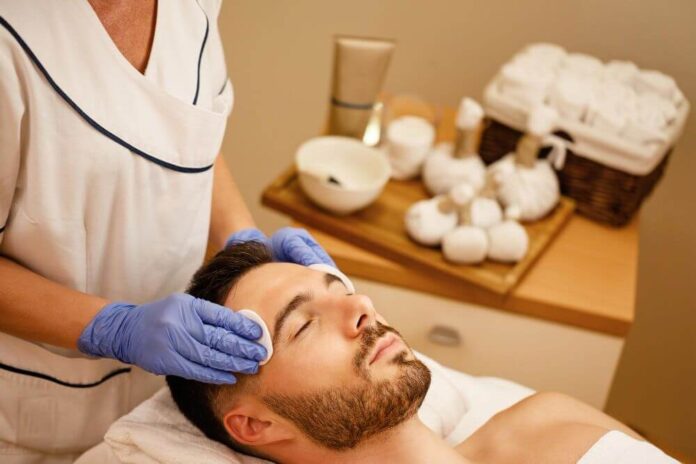
Personalized care can help a med spa move beyond a standard service menu and build treatment plans around a person’s goals, medical history, anatomy, skin characteristics, and tolerance for cost and downtime. In the United States, however, personalization must operate within medical-licensing, scope-of-practice, privacy, advertising, and product-safety rules. Those requirements vary by state and by procedure, so a plan that feels tailored is not necessarily medically appropriate or legally compliant.
The Med Spa Market Beyond Generic Services
For years, many med spas presented services such as botulinum toxin injections, dermal fillers, laser treatments, and facials as items on a menu. That approach may not account for differences in health history, skin type, facial structure, prior procedures, or treatment goals. It can also blur an important legal distinction: some services are medical procedures, while others may be nonmedical services. State law determines how a procedure is classified, who may perform it, and what supervision or facility requirements apply.
The Business Value of Personalized Aesthetic Care
Careful assessment and clear communication can support trust, satisfaction, and repeat visits, but they do not guarantee business growth or treatment success. A med spa should avoid promising improved retention, safety, efficacy, or lasting results unless it has reliable support for those claims. The Federal Trade Commission requires objective advertising claims, including health-related claims, to be truthful, non-misleading, and adequately substantiated.
How Consultations Turn Individual Goals into Practical Treatment Plans
For a medical procedure, the person receiving care should be treated as a patient, not merely as a customer choosing a service. A responsible consultation reviews the patient’s goals, medical history, medications, allergies, prior procedures, previous complications, and relevant conditions. It should also consider budget and downtime without allowing either to override safety. The professional conducting the assessment must be authorized under state law to diagnose, prescribe, order treatment, or accept delegated duties.
Deeper Understanding of Client Needs
A request such as “I want to look less tired” may involve volume loss, skin laxity, pigmentation, texture, sleep, or another concern. The provider should assess the cause rather than assume that an injectable, laser, or skincare product is appropriate. Screening should identify contraindications and circumstances in which treatment should be postponed or declined. Procedure-specific requirements vary, but good consent practice includes discussing expected benefits, material risks, reasonable alternatives, the option of no treatment, likely downtime, and the limits of the expected result.
Collaborative Plan Development
The patient should have time to ask questions and participate in choosing among medically reasonable options. A collaborative plan may compare products, devices, timing, cost, maintenance, and the possibility that more than one visit will be needed. Collaboration does not replace informed consent, and consent should not be obtained through pressure, incomplete risk information, or unrealistic promises. The treatment plan and consent discussion should be documented according to applicable state law and professional standards.
Why Natural-Looking Results Are Replacing Trend-Driven Enhancements
Many patients ask for changes that preserve familiar expressions and facial proportions, while others prefer more noticeable results. A personalized approach should focus on the individual’s informed goals rather than assume that one aesthetic preference is universally better. The provider should also explain that anatomy, product choice, technique, healing, and individual response can affect the outcome.
The Appeal of Subtle Improvement
Conservative treatment may soften certain lines, restore some volume, or improve aspects of skin tone and texture, but no result is guaranteed. The Food and Drug Administration warns that dermal fillers can cause common reactions such as swelling and bruising as well as less common, serious complications, including accidental injection into a blood vessel. FDA-approved botulinum toxin products also carry boxed warnings about the possible spread of toxin effects. Personalization should therefore include candid discussion of both expected improvement and meaningful risk.
Avoiding the “Overdone” Look
Terms such as “natural” and “overdone” are subjective. A sound plan considers the patient’s baseline appearance, treatment history, preferences, and the cumulative effect of repeated procedures. Providers should recommend against excessive or inappropriate treatment and should not let social-media trends replace clinical judgment. Photographs or simulations may help explain a plan, but they should not be presented as promises of a particular outcome.
Building Client Trust Through Medical Oversight and Clear Communication
A med spa may offer both medical and nonmedical services, but medical procedures remain subject to the laws governing the practice of medicine. State approaches differ. The Medical Board of California describes medical-spa procedures as the practice of medicine and applies physician-ownership rules, while the Texas Medical Board treats nonsurgical cosmetic procedures as medical acts subject to its delegation requirements. A business must therefore verify the rules in every state where it operates rather than rely on the words “med spa” or “medical director.”
The Role of Qualified Medical Professionals
Physicians, physician assistants, nurse practitioners, registered nurses, and other licensed professionals do not automatically have identical authority. State law and licensing-board rules determine who may evaluate a patient, diagnose, prescribe, inject, operate an energy-based device, or perform a delegated task. The med spa should verify each person’s active license, training, permitted duties, required supervision, and professional-liability coverage. It should also maintain written protocols, infection-control practices, access to appropriate emergency supplies, and a clear process for recognizing and responding to complications.
Transparent Communication About Treatments and Risks
Before treatment, patients should receive understandable information about the proposed procedure, the provider’s role and credentials, expected benefits, material risks, alternatives, recovery, aftercare, and when to seek urgent help. The specific product or device should be identified, and its regulatory status and intended use should be checked. The FDA explains that aesthetic devices may be regulated according to their intended use and effect on the body; terms such as “FDA registered” do not mean that a device has been approved or cleared. Marketing and consent materials should not exaggerate results or omit material limitations.
Advanced Technology: Improving Treatment Selection and Outcomes
Technology can assist assessment and treatment planning, but it does not replace clinical judgment, informed consent, or lawful professional oversight. Before adopting a camera, imaging platform, laser, intense pulsed light system, microneedling device, or software tool, the Medical Spa should confirm the manufacturer’s labeled use, FDA status where applicable, maintenance requirements, operator training, and state restrictions.
Diagnostic Tools for Precise Assessment
Skin-analysis cameras and imaging systems may document visible features and support comparisons over time. Their output should not be treated as a diagnosis or measurement of an underlying condition unless the tool is authorized and validated for that purpose. Providers should explain what the system can and cannot show. Any recommendation based on imaging must still account for the patient’s history, examination, contraindications, and treatment preferences.
Customization of Treatment Parameters
Some devices allow trained operators to adjust settings such as energy, pulse duration, wavelength, filter, or treatment depth. Settings should follow the device’s labeling, the operator’s training, and an assessment of skin type, treatment area, prior exposure, and relevant risks. Greater customization does not automatically make a procedure safe or effective. The provider should document the settings used, monitor the patient’s response, and have a plan for burns, pigment changes, infection, scarring, or other recognized complications.
Data-Driven Progress Tracking
Consistent photographs and treatment records can help patients and providers compare changes and decide whether to continue, modify, or stop a plan. They are not proof that a treatment caused every observed change. Medical histories, images, and digital records also require privacy safeguards. The HIPAA Rules apply to covered entities and business associates, not automatically to every med spa. When HIPAA applies, marketing use of protected health information generally requires a valid written authorization; state privacy and medical-record laws may impose additional duties.
Creating Long-Term Client Relationships Through Staged Aesthetic Care
Aesthetic care may involve one procedure, a short series, or periodic maintenance. Staging can allow time to assess healing and response before another intervention, but it does not guarantee lower risk or longer-lasting results. Each stage should have a documented clinical reason, separate risk review, and an opportunity for the patient to change or stop the plan.
The Benefits of a Phased Treatment Plan
A phased plan may address one concern at a time and avoid combining procedures that should not be performed together. For example, a provider might complete and evaluate a skin treatment before deciding whether an injectable is appropriate. Timing should reflect product labeling, tissue recovery, the patient’s health, and the risks of cumulative treatment. Spreading out cost may be helpful, but financial convenience should not determine clinical necessity.
Building Loyalty Through Ongoing Support
Follow-up should focus on the patient’s condition rather than on automatic rebooking. A med spa can support continuity by recording products, lot information when appropriate, device settings, reactions, photographs, and aftercare communications. Recommendations should change when the patient’s health, goals, response, or risk profile changes. Maintenance treatment should be offered only when medically appropriate and supported by informed consent.
Why Client Education and Aftercare Support Sustainable Growth
Education is part of safe care, not simply a retention strategy. Patients need enough information to decide whether to proceed, follow aftercare instructions, recognize expected effects, and distinguish them from warning signs. Clear education can reduce misunderstanding, but it cannot eliminate adverse events or substitute for timely medical evaluation.
Empowering Clients Through Knowledge
Explanations should cover why a treatment is recommended, what evidence supports it, how long results may last, what home care is appropriate, and which claims remain uncertain. Product recommendations should identify whether an item is a cosmetic, drug, or device when that distinction matters. The provider should avoid presenting promotional material as neutral education.
The Critical Role of Post-Treatment Support
Aftercare instructions should be specific to the procedure and provided in a form the patient can keep. They should explain expected symptoms, activity or skincare restrictions, warning signs, whom to contact, and when emergency care may be necessary. The med spa should have a reliable follow-up process and should document reports of complications and the response provided. Providers should also review whether serious or unexpected events should be reported to the FDA or another applicable authority.
What the Future of the Med Spa Customer Experience Looks Like
Virtual consultations, automated imaging, and AI-assisted recommendations may make intake and follow-up more convenient, but they introduce additional legal limits. The Department of Health and Human Services advises that cross-state telehealth practice depends on the law where the patient is located, and providers should verify location, licensure, and consent. The FDA distinguishes software functions excluded from the definition of a device from software functions that remain subject to device regulation. AI output should support, not replace, qualified clinical review.
Future services may also combine aesthetic procedures with nutrition, wellness, or lifestyle advice. Each professional must stay within the scope of the license or credential held, and recommendations should be supported rather than framed as guaranteed health benefits. The strongest med spa experience will not be the one with the most technology or the longest treatment menu. It will be the one that combines individualized planning with lawful practice, honest communication, evidence-based recommendations, privacy protection, and accessible follow-up.
Frequently Asked Questions
Why does med spa personalization need to account for state law?
State law can determine whether a service is considered a medical procedure, who may perform it, and what supervision, delegation, ownership, or facility requirements apply. A treatment plan may feel personalized but still be inappropriate or noncompliant if those rules are ignored.
What should a responsible med spa consultation include?
A responsible consultation should review the patient’s goals, medical history, medications, allergies, prior procedures, previous complications, and relevant health conditions. It should also address expected benefits, material risks, reasonable alternatives, likely downtime, and the option of declining treatment.
Do all licensed med spa professionals have the same authority?
No. Physicians, physician assistants, nurse practitioners, registered nurses, and other licensed professionals may have different authority to evaluate patients, diagnose, prescribe, inject, operate devices, or perform delegated tasks. Their permitted duties depend on state law, licensing rules, training, and required supervision.
Does an FDA registration mean that a med spa device is approved or cleared?
No. A device being registered with the Food and Drug Administration does not mean the FDA has approved or cleared it. Med spas should verify the device’s regulatory status, labeled use, operator-training requirements, and any applicable state restrictions.
What privacy issues apply to treatment photographs and digital records?
Medical histories, treatment images, and digital records require appropriate privacy safeguards. HIPAA applies to covered entities and business associates, while state privacy and medical-record laws may create additional duties. When HIPAA applies, using protected health information for marketing generally requires valid written authorization.


