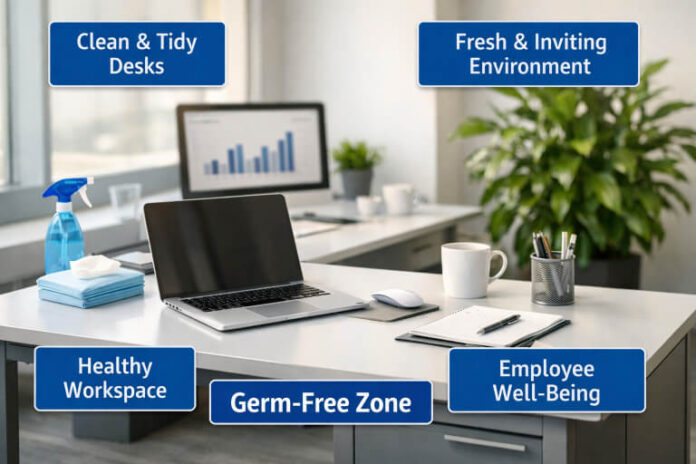
Creating a workplace that prioritizes cleanliness is a proven investment in the health and productivity of everyone in the office. Clean environments don’t just reflect well on your business; they dramatically reduce the spread of germs, enhance indoor air quality, and create a setting that shows employees they are valued. For organizations looking to support employee satisfaction and safety, professional solutions like JAN-PRO Cleaning & Disinfecting in Delaware Valley offer valuable expertise and results-driven strategies.
Maintaining a hygienic work environment is crucial for both employee well-being and operational continuity. Contaminated surfaces, airborne irritants, and crowded communal areas all contribute to elevated absence rates and decreased employee morale. By championing a proactive approach to cleanliness, employers create safer, more vibrant spaces where employees can thrive. This dedication extends beyond basic tidiness, encompassing best practices in green cleaning and a commitment to sustainability.
Improved cleaning strategies are a foundation for long-term health and satisfaction. As businesses return to traditional and hybrid work formats, the importance of workplace sanitation has never been more evident. Leadership that emphasizes cleaning routines reassures staff and visitors alike, cultivating a trustworthy organizational culture.
In addition to general practices, specialized commercial cleaning services provide tailored solutions for workspaces of all shapes and sizes. With expertise in disinfection protocols, these services help maintain consistently sanitary environments, giving business owners and employees peace of mind.
The Importance of Regular Cleaning
Regular cleaning is far more than a cosmetic concern; it is central to the health and operational success of any workplace. Workstations, conference rooms, kitchens, and shared amenities all see high levels of traffic. Without scheduled cleaning, these spaces can quickly become breeding grounds for bacteria and viruses. Microbes on uncleaned desktops and keyboards can survive for hours or even days, increasing the risk of cross-contamination among staff. Establishing clear cleaning routines, with frequent attention paid to high-touch zones, is an essential first line of defense against workplace illness.
Impact on Employee Health
A hygienic workspace provides tangible health benefits to all occupants. Businesses that prioritize sanitation are often rewarded with lower employee absence rates and improved staff physical well-being. According to a study published by the Centers for Disease Control and Prevention (CDC), consistent office cleaning is associated with reduced transmission of respiratory illnesses and allergies. Dust, pests, and mold are also significantly mitigated in environments with established cleaning protocols, reducing the risk factors for chronic illness and supporting healthier day-to-day attendance.
Boosting Productivity Through Cleanliness
The benefits of cleanliness extend beyond health and into performance. Employees surrounded by clutter may experience heightened stress and reduced concentration. A 2019 Harvard Business Review report found a clear correlation between organized, clean workspaces and increased productivity and job satisfaction. Workplaces that project cleanliness signal professionalism, boosting employee confidence and pride in their surroundings. Happy and healthy employees are more likely to stay engaged, collaborate effectively, and produce quality outcomes for clients and stakeholders.
Adopting Green Cleaning Practices
Eco-conscious cleaning solutions offer dual benefits: they help preserve employees’ health while reducing a business’s environmental impact. The use of non-toxic chemicals and sustainable products minimizes indoor air pollution and reduces hazardous waste. Many businesses are opting for biodegradable cleaning solutions that clean effectively without introducing potentially harmful residues.
Green cleaning also demonstrates a corporation’s dedication to social responsibility, resonating with clients, partners, and employees who value environmental stewardship. When combined with routine sanitation, these practices promote overall wellness, cleanliness, and caring for the planet.
Implementing Effective Cleaning Strategies
- Develop a Clear Cleaning Schedule: Assign cleaning frequencies for various areas and monitor adherence to the plan. Consistency over time builds employee trust in the system.
- Prioritize High-Traffic and Shared Surfaces: Doorknobs, elevator buttons, shared electronics, and restroom spaces require special attention due to frequent contact.
- Use Tested and Approved Cleaning Agents: Select products that provide complete disinfection but remain safe for regular office use. Label reading and research are key to optimal selection.
- Leverage Specialized Cleaning Services: Expert teams offer experience, specialized equipment, and flexible scheduling to ensure no part of the office is overlooked.
Workplaces that actively communicate cleaning strategies and expectations see greater participation and compliance from all stakeholders. Whether through internal training or professional support, a well-implemented plan ensures healthier employees and consistent business operations.
Conclusion
Maintaining a clean workplace is a non-negotiable aspect of modern business success. It supports the health, happiness, and effectiveness of every employee while reflecting a culture of responsibility and care. By implementing regular cleaning routines and adopting green cleaning practices, businesses not only respond to today’s challenges but also invest in a healthier, more sustainable future for their workforce and the community they serve.


