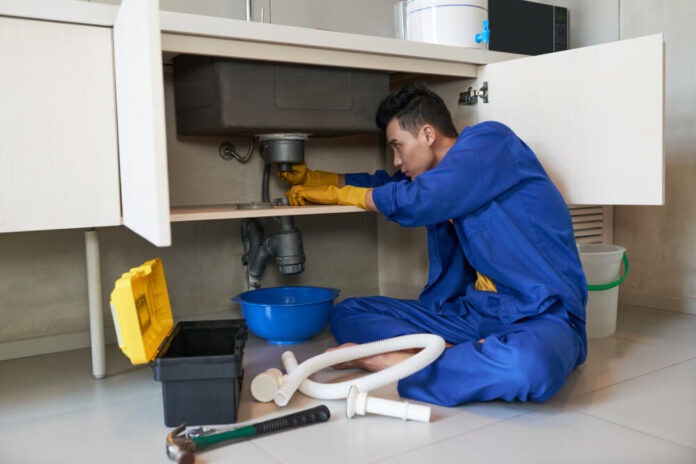
It’s a reality many businesses discover only when it’s too late: a dripping faucet or a sluggish drain can quickly snowball into a full-blown operational shutdown. Plumbing is essential infrastructure, and delayed repairs create a “downtime gap” between the first warning sign and an operational interruption.
The goal is to recognize early signs, understand the risks, and respond before a manageable repair becomes a safety, sanitation, or property-damage event.
The Hidden Business Costs of Plumbing Downtime
When a toilet overflows, a ceiling leaks, or a wastewater line backs up, the repair bill may be only part of the loss. A business may also face interrupted sales, damaged inventory or equipment, employee-safety concerns, and insurance issues.
When the Doors Close: Direct Revenue Loss
A restaurant may have to stop food preparation after a sewage backup, while a retailer may need to close an area because floors are wet or restrooms are unusable. Lost income can increase with each hour of disruption.
The National Association of Insurance Commissioners explains that business-income coverage may be included in several policy forms and that businesses should read the policy for exclusions and how coverage applies. Coverage for plumbing-related losses therefore depends on the actual policy and cause of loss.
Damaged Goods and Equipment: More Than Just the Leaks
A persistent leak can damage paper products, furniture, walls, flooring, and electronic equipment. Wastewater can contaminate goods and work areas. Businesses should photograph the condition, preserve records, limit further damage when safe, and notify responsible parties as required by policy or contract.
Reputation Takes a Hit: Customers and Staff Notice
Visible sanitation problems can drive away customers and make a workplace unsuitable for normal use. The Occupational Safety and Health Administration’s general industry rules require covered workplaces to remain clean and sanitary, floors to be kept dry to the extent feasible, and sanitary toilet facilities to be available. Serious leaks or sewage exposure may therefore require restricted access, cleanup, or temporary relocation of employees until the affected area is safe.
How Minor Plumbing Problems Escalate Into Operational Disruptions
A drip under a sink or a toilet that runs intermittently may be an isolated maintenance issue, but it can also be an early sign of deterioration. The key question is whether the condition is recurring, spreading, or affecting other fixtures. Prompt inspection is especially important when water reaches electrical equipment, structural materials, food-handling areas, or public walkways.
The Slow Creep of Corrosion and Wear
Older pipes and fittings can deteriorate through corrosion, mineral buildup, movement, or repeated pressure changes. A small leak does not prove that a pipe is about to burst, but it can justify checking the surrounding line, joints, valves, and supports. Worn seals or faulty valves should also be repaired before they place additional stress on connected components.
Blockages: The Beginning of the End for Flow
A slow drain, recurring clog, gurgling fixture, or drain odor may indicate restricted flow or a developing blockage. Grease, food solids, wipes, and other materials can accumulate in pipes and sewer lines. The Environmental Protection Agency identifies fats, oils, grease, and inappropriately flushed materials as causes of blockages and sanitary sewer overflows, so recurring symptoms should be investigated rather than repeatedly treated as isolated clogs.
Water Pressure Woes: More Than Just a Trickle
Low or fluctuating water pressure can result from several conditions, including a supply problem, a partly closed valve, fixture buildup, a pressure-control issue, or a leak. Temperature changes may point to water-heater or distribution problems. Because symptoms have several possible causes, a qualified professional should test the system rather than assume the source.
Warning Signs Business Owners and Facility Managers Should Not Ignore
Early warning signs matter most when they are documented and compared over time. Staff should know where to report leaks, recurring clogs, pressure changes, unexplained water use, or unusual odors. A dated record shows whether a condition is new, recurring, or worsening and supports repair, insurance, and contract decisions.
The Tell-Tale Sounds and Smells
Persistent dripping, gurgling, or water movement behind walls can indicate a leak, trapped air, or restricted drainage. Musty odors may suggest moisture and microbial growth, while sewer-like odors may indicate a dry trap, venting problem, or drainage defect. Odor alone is not a diagnosis, but it is a reason to inspect the area and limit exposure if sewage may be present.
Visible Evidence: Stains, Puddles, and Dampness
Water stains, soft materials, peeling finishes, puddles, or damp flooring may reveal an active or previous leak. Wet walking surfaces should be isolated and dried promptly. OSHA’s walking-working-surfaces rule requires covered employers to keep workplace floors clean, orderly, sanitary, and dry to the extent feasible, which makes prompt control of plumbing-related slip hazards more than a housekeeping preference.
Changes in Water Flow and Temperature
A meaningful drop in pressure, delayed hot water, unstable temperature, or simultaneous problems at several fixtures can help narrow the investigation. Record when the problem occurs and which fixtures are affected. That information may help distinguish a local fixture issue from a building-wide supply, heater, or distribution problem.
Identifying the Most Vulnerable Areas of a Commercial Property
Different areas face different risks. Inspection schedules should reflect use, system age, prior failures, and the consequences of a leak or backup.
Restrooms: The High-Traffic Hazard Zones
Restrooms experience frequent use, accelerated wear, and misuse such as flushing inappropriate materials. Running toilets, loose fixtures, failed seals, clogged drains, and faulty flush mechanisms should be logged and repaired. Covered employers must also maintain sanitary and readily available toilet facilities, so a prolonged restroom outage may require temporary facilities or another operational response.
Kitchens and Food Service Areas: A Recipe for Blockages
Commercial kitchens handle food particles, grease, and hot water, increasing the risk of drain and interceptor problems. The FDA Food Code is a model used by state and local authorities rather than a single nationwide restaurant law, so food businesses must follow the rules adopted in their jurisdiction. Local sewer or wastewater authorities may also regulate grease interceptors, cleaning schedules, records, and discharges.
Mechanical Rooms and Utility Spaces: The Often-Forgotten Hubs
Mechanical rooms contain water heaters, pumps, valves, and other equipment that can affect the entire facility. Because these spaces may receive little traffic, leaks can continue unnoticed. Routine rounds should check for moisture, corrosion, unusual sounds, active alarms, obstructed access, and clear identification of shut-off valves.
Building a Practical Plumbing Emergency Response Plan
An effective response plan should identify who has authority to act, who must be contacted, and how the business will protect people and property. Responsibilities may be divided among an owner, tenant, landlord, property manager, or contractor, so leases and service agreements should be reviewed before an emergency.
Designate an Emergency Contact and Team
Assign a primary contact and backup who can restrict access, locate shut-off valves, call emergency services when needed, and authorize repairs within defined limits. Employees should not enter flooded areas where electricity, contaminated water, structural damage, or other hazards may be present.
Document Your Plumbing System and Key Service Providers
Maintain current records showing main and local shut-off valves, water heaters, pumps, critical fixtures, prior repairs, warranties, and a pre-vetted provider such as TJ’s Plumbing among your emergency contacts. The U.S. Bureau of Labor Statistics reports that most states and some localities require plumbers to be licensed and that requirements vary. Businesses should therefore verify any required license with the applicable state or local licensing authority, along with current insurance, commercial experience, response terms, and after-hours charges.
Establish Communication Protocols
The plan should identify how to notify employees, customers, property representatives, the insurer, and any applicable authority. Because FDA states that the Food Code is a model used by jurisdictions to develop their own rules, this article does not assert a nationwide closure or government-reporting requirement. Businesses should follow the health, plumbing, sewer, wastewater, and reporting rules adopted by the authorities with jurisdiction over the facility.
Using Preventive Maintenance to Close the Downtime Gap
Preventive maintenance creates regular opportunities to identify leaks, worn components, and abnormal water use. The Department of Energy’s facility guidance recommends scheduled inspections, prompt leak repair, and maintenance according to manufacturer instructions to support reliability, safety, and water efficiency.
Scheduled Inspections: Catching Issues Early
Inspection frequency should reflect equipment type, manufacturer guidance, past failures, occupancy, and business risk. Reviews may include pipe joints, valves, fixtures, supply lines, drains, water-using equipment, pressure, and visible signs of damage. Findings should be dated and tracked through completion.
Proactive Cleaning and Tune-Ups
High-risk drains and grease-control equipment should be maintained according to applicable local rules, manufacturer instructions, and actual operating conditions. Water-heater maintenance also depends on the equipment design; flushing, anode inspection, filter cleaning, or other service should be performed only when appropriate for that unit.
Addressing Minor Repairs Promptly
Minor repairs should be prioritized by safety, sanitation, water loss, recurrence, and operational effect. A stable cosmetic stain is different from an active leak over electrical equipment or a sewage backup. Clear escalation criteria help staff avoid both unnecessary shutdowns and dangerous delay.
How Diagnostic Technology Reduces Guesswork and Unnecessary Disruption
Diagnostic tools can narrow a problem’s location and likely cause, but do not eliminate professional judgment. Results should be interpreted with the building layout, symptoms, repair history, and any need for confirmatory testing.
Camera Inspections: Seeing Inside the Pipes
Video cameras can help identify visible blockages, cracks, roots, offsets, or other conditions inside accessible drains and sewer lines. The inspection may reduce exploratory work, although cleaning or access may be needed before the image is useful.
Leak Detection Systems: Pinpointing the Source
Electronic listening, pressure testing, flow monitoring, and automatic alerts can help identify abnormal water movement or narrow a suspected leak area. The EPA encourages commercial facilities to use metering, monitoring, and leak-detection practices, but the appropriate method depends on the system and building conditions.
Thermal Imaging: Uncovering Hidden Moisture
Infrared cameras detect surface-temperature differences that may be consistent with moisture or water movement. They do not confirm a leak by themselves. Findings should be checked with moisture measurements, visual inspection, or other testing before destructive work begins.
Why Businesses Should Select a Plumbing Partner Before an Emergency
Preselecting a provider allows comparison of qualifications, service terms, and emergency procedures before a flood or backup. It does not replace independent verification or the business’s duty to evaluate recommendations.
Vetting and Trust: Knowing Who You’re Calling
Confirm the provider’s legal business name, any required state or local license, insurance documentation, relevant commercial experience, references, and complaint history. Clarify who may approve additional work and require written documentation of the diagnosis, proposed repair, and price when circumstances permit.
Preferred Access and Faster Response Times
Some service agreements offer priority scheduling, but response time should be confirmed in writing rather than assumed. Review after-hours availability, dispatch charges, geographic coverage, exclusions, and whether the provider uses employees or subcontractors.
Understanding Your System: A Head Start on Repairs
Routine visits can help a provider learn the layout, recurring problems, shut-off locations, and equipment history. Keep those records under the business’s control so another qualified provider can respond if the preferred contractor is unavailable.
Turning Plumbing Records Into a Long-Term Capital Improvement Plan
Maintenance and incident records can support budgeting, insurance claims, and replacement decisions. Useful records include dates, symptoms, photographs, invoices, diagnoses, affected areas, downtime, and repeat failures.
Identifying Recurring Problems and Hotspots
Logs can reveal repeated failures involving a fixture type, pipe material, building area, or operating practice. A pattern may justify broader inspection, but the cause should be confirmed before major replacement.
Budgeting for Replacements and Upgrades
Age, condition, repair frequency, water loss, and operational consequences can help prioritize capital work. Planned replacement may reduce emergency disruption, but budgets should also account for permits, code compliance, access, temporary operations, and responsibilities assigned by leases or contracts.
Optimizing for Efficiency and Longevity
Performance records can help businesses compare repair and replacement options, including durable or water-efficient equipment. Decisions should reflect life-cycle cost, compatibility, maintenance requirements, local code, and manufacturer guidance rather than purchase price alone.
Frequently Asked Questions
How can a small plumbing problem disrupt business operations?
A minor leak, slow drain, or recurring clog can develop into water damage, sanitation problems, unusable restrooms, contaminated work areas, or a temporary closure. Early inspection and prompt repairs can reduce the risk of a larger interruption.
What plumbing warning signs should a business investigate?
Warning signs include recurring clogs, dripping or gurgling sounds, unexplained odours, water stains, damp flooring, pressure changes, unstable water temperature, and unusual water use. Recording when and where these problems occur can help identify whether they are recurring or worsening.
What should a commercial plumbing emergency plan include?
The plan should identify who can restrict access, locate shut-off valves, contact emergency services, authorise repairs, and notify employees, customers, property representatives, insurers, and applicable authorities. Responsibilities assigned by leases and service agreements should also be reviewed in advance.
Why should a business select a plumbing provider before an emergency?
Preselecting a provider gives the business time to verify licensing requirements, insurance documentation, commercial experience, emergency availability, service terms, and charges. It also allows the provider to become familiar with the facility’s plumbing layout and repair history.
How can maintenance records support long-term plumbing planning?
Records of leaks, repairs, photographs, invoices, diagnoses, affected areas, downtime, and repeat failures can reveal recurring problems. Businesses can use that information to prioritise inspections, plan replacements, estimate capital costs, and compare repair and upgrade options.


