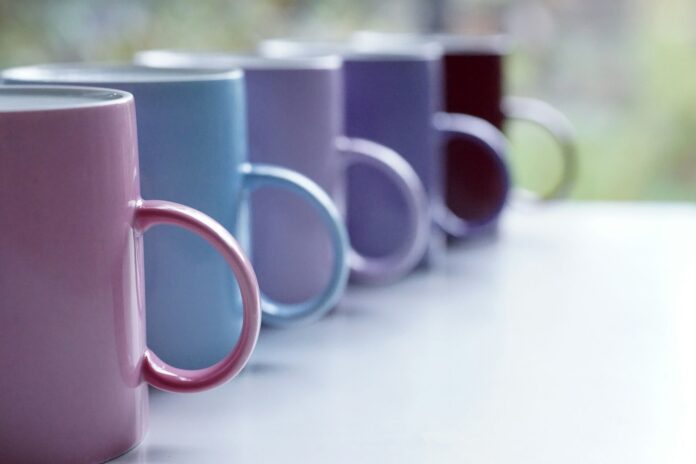
Promotional products have been used in marketing for a long time because they work. Unlike digital ads that people can easily skip, physical items give customers something they can use and remember. A mug or tote bag with your logo often gets more attention than an online ad because it becomes part of daily life.
Even with so much focus on digital marketing, promotional items still stand out. Studies show they are one of the most noticed forms of advertising, and businesses spend billions on them each year. That level of spending shows how effective they continue to be.
The biggest benefit is how long people keep these items. T-shirts, mugs, and bags are used again and again, giving your brand repeated exposure. They act like mini billboards and help your business stay top of mind. In a fast digital world, a useful physical product can still build trust, loyalty, and conversation around your brand.
The Psychology Behind Promotional Products
The principle of reciprocity has a powerful effect on how we behave as consumers, especially when it comes to promotional products. When someone receives a free, branded item from a company, there’s often a quiet feeling of wanting to give something back. This might mean choosing their product next time, or even mentioning the company to a friend. For this effect to really work, though, the gift should be genuinely useful, look good, and suit the person who receives it.
Getting a promotional product doesn’t feel like ordinary advertising. It feels like a present, which builds a sense of gratitude and makes people feel valued. This positive vibe can strengthen how customers see a brand and encourage them to return. When a freebie stands out as a thoughtful gesture, that good feeling lingers, making it far more likely for people to stay connected with the brand long after the first encounter.
The Tangible Advantage
Physical Presence in a Digital World
Digital ads are easy to ignore. People scroll past them, close pop-ups, or delete emails without noticing, which makes it harder for brands to stand out online.
That’s where promotional products help. Useful items like notebooks or reusable bottles feel more personal and are easier to remember because people use them in everyday life. Your brand becomes part of their routine, not just another message on a screen.
Promotional items are also cost-effective. While online ad costs keep rising, branded products last a long time and give repeated exposure. When combined with digital marketing, they create a stronger, more memorable connection.
Creating Lasting Impressions
Promotional items work out to just a fraction of a penny per impression. The Ad Specialty Institute found that each time someone sees your logo on a product, it could cost you as little as a tenth of a penny. That sort of value is hard to beat, especially when budgets are tight but you need your brand to stay visible.
The best part? Useful and well-made promo items keep working for you long after a digital campaign would have faded away. They’re a constant feature in daily life, quietly creating repeated brand moments and complementing all those online efforts. When you want your message to last, investing in quality physical products is a smart, memorable move.
Strategic Uses of Promotional Products
Enhanced Brand Recognition
Promotional products make brands easier to remember. When you give someone a branded T-shirt, mug, or tote bag, you’re giving them something useful they’ll use again and again. Unlike business cards that get lost, these items become part of daily life and keep your brand visible for months.
Each time someone wears that shirt or uses that mug, your brand gets noticed without any extra effort. A person walking around with your logo is quietly promoting your business to others, like free advertising moving through the streets.
In a world crowded with digital ads, physical giveaways stand out. People touch them, use them, and talk about them. A good promotional item can start conversations and lead to recommendations, making it a simple and affordable way for businesses to stay memorable.
Driving Customer Loyalty
Promotional products help keep customers coming back because they make people feel appreciated. When someone receives a thoughtful item, they’re more likely to remember your brand and return in the future. Even small improvements in customer loyalty can lead to much better long-term results, which shows how powerful these connections can be.
The quality of the item matters a lot. Useful, well-made products are more likely to be kept and used often, which means your brand stays visible in everyday life. Items like gym bags or tech accessories work well because people actually enjoy using them. Higher-quality branded items also make your business feel more trustworthy and professional.
The key is choosing promotional products your customers will truly value. When the item fits their needs and lifestyle, it feels like a genuine gift rather than a freebie. That simple choice helps build stronger loyalty and keeps your brand top of mind.
Value-Added Marketing Strategies
Blending promotional products with direct mail can make your marketing far more effective. Adding a small branded item, like a notebook or gadget, makes people more likely to open and keep your mail instead of throwing it away. In fact, including a physical item can boost response rates from just a few percent to as high as 20–30%, simply because people enjoy receiving something they can use.
Using both digital and physical marketing together works even better. Online ads spread your message fast, while mailed promotional items add a personal touch that lasts longer. When people see your brand online and then receive a useful gift at home, it feels familiar and memorable, helping your brand stand out in a busy world.
Trends and Innovations in Promotional Products
Sustainability and personalisation are shaping promotional products in 2025. More people care about the environment, so brands are giving eco-friendly items like recycled tote bags, bamboo drinkware, and plant-based pens. These products don’t just look green—they show that a company shares its customers’ values. Everyday eco items, like reusable straws or utensils, are now popular and work well for building brand awareness.
Personalised items are also gaining attention. Engraved pens or customised travel kits feel special because they’re made for someone in particular. This helps people feel a stronger connection to the brand, turning simple products into keepsakes that stick in their memory.
Innovation is important too. Tech products like wireless chargers, Bluetooth speakers, and USB-C adapters are useful and likely to stay in use. Wellness items, such as branded yoga mats, water bottles, and spa kits, also appeal to customers who focus on health.
Overall, giving useful, thoughtful, and eco-friendly items helps brands connect with what customers care about most. Companies that adapt in this way seem more trustworthy and easier to support.
Building Brands Through Tangible Connections
Promotional products pack in a surprising amount of marketing punch, as outlined in research on the benefits of using promotional products for boosting brand awareness, easily making back their cost and then some. These everyday items aren’t just about getting your logo out there—they’re about helping your brand stick in people’s minds and building a connection that feels genuine.
For the best results, it pays to make promotional products part of a bigger plan. Used with digital campaigns, they give your brand a real-world boost, offering a physical reminder that cuts through online clutter. This combo makes people more likely to remember and interact with you because it bridges the gap between digital fast-lane and everyday life.
Branded items work brilliantly at events, as corporate gifts, or as prizes in social media contests. Each time someone receives and uses your product, there’s a new chance to spark a conversation or a recommendation. To truly get the most from these products, pick items that your audience will actually want and use—think about what fits their lifestyle and interests. When you do, your brand becomes something people interact with often, deepening the relationship and spreading the message far and wide.


