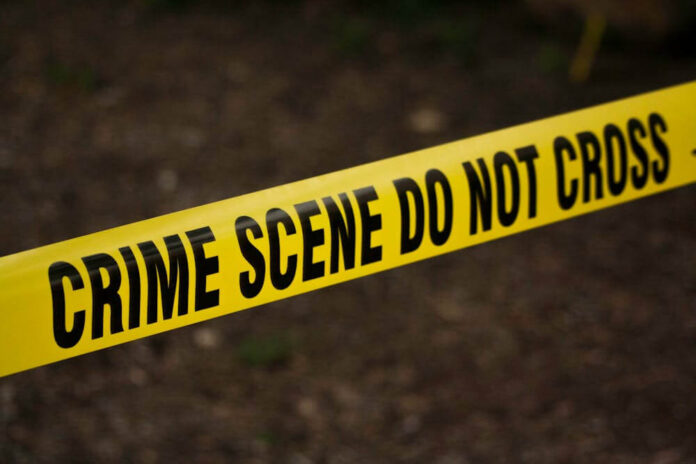
If you’re dealing with the aftermath of a crime, accident, or other traumatic event where there’s blood, bodily fluids, or other hazardous material, you might be wondering what to do next. Cleaning up on your own might seem like the fastest option. But in most of these situations, that’s not a safe or smart choice. You should call professional crime scene cleaners instead.
Professional teams arrive with training and gear you simply won’t have at home. They handle risk in ways that protect you, your family, and anyone who returns to the space later.
Let’s talk about when you should call them, and what to expect when they show up.
Why You Shouldn’t Try This Yourself
A crime scene isn’t like a spill on your kitchen floor. It often includes biohazards — things like blood and bodily fluids that can carry real health risks. Bloodborne pathogens such as hepatitis B, hepatitis C, and HIV can survive on surfaces long after an incident. That’s not just messy — it’s dangerous.
Even if you have gloves and heavy‑duty cleaners, you don’t have the protective gear, regulated products, or training that professionals use. Experts wear personal protective equipment (PPE) like full suits, respirators, and gloves designed for biohazard situations. They also know how to avoid cross‑contamination while they work.
DIY cleanup puts you and others at risk of infection, respiratory issues, and long‑term exposure to harmful agents. It also increases the chance you’ll miss contaminated spots hidden in carpets, furniture, or porous flooring.
When You Should Call a Professional Crime Scene Cleaner
Here are the key moments when a professional team should be your first call:
1. After Law Enforcement Leaves
Police and investigators focus on evidence and facts. They don’t clean up the site once they’re done. That responsibility falls to you, the property owner. A professional crime scene cleaner steps in once the scene has been released by authorities.
2. When Any Blood or Bodily Fluids Are Present
Even small amounts of blood can carry harmful pathogens. If there’s visible biohazardous material, that’s a clear signal you need a pro. They can decontaminate the area and make it safe for normal use again.
3. After Violent Crime or Traumatic Injury
Homicides, assaults, severe accidents, suicides, and other traumatic events often leave behind biological and emotional hazards. Professional teams know how to handle both the cleanup and the sensitivity of the situation.
4. In Cases of Unattended Death
If someone passed away and wasn’t discovered for some time, decomposition and odor issues are likely. These conditions create additional health risks beyond biohazards. Waiting or trying to do it yourself can make things worse.
-
When There Are Chemical Residues
Some scenes involve chemical hazards like tear gas residue or drug lab materials. These substances require specialized handling that most untrained people can’t do safely.
What Happens When Professionals Arrive
You might not know what to expect when a cleanup team shows up. Here’s a simple breakdown of how they work:
1. Initial Assessment
When the team arrives, they’ll first assess the scene. They look at what materials are present, how widespread the contamination is, and what tools they’ll need. This helps them plan the cleanup safely and efficiently.
2. Safety Measures and Containment
Before they touch anything, they set up safety zones. This keeps clean areas separate from contaminated ones. It also prevents dust or spores from spreading through the space.
They’ll put on the right PPE and make sure they’re protected before handling any materials.
3. Removal of Biohazardous Materials
Technicians remove all blood, bodily fluids, and contaminated materials. Everything that could carry infection or create a hazard gets treated as regulated biohazard waste and disposed of according to laws and safety guidelines.
This step often includes wiping down walls, floors, fixtures, and any porous items that might have absorbed contaminants.
4. Deep Cleaning and Disinfection
Once the obvious hazards are gone, the team uses hospital‑grade disinfectants. These chemical cleaners are stronger and more targeted than anything you buy off the shelf. They’re designed to kill pathogens and leave the area safe to re‑enter.
Techniques include multiple rounds of cleaning and sanitation to make sure there’s nothing left behind that could make anyone sick.
5. Odor Control (If Needed)
Some scenes, especially those involving decomposition, come with strong odors that regular cleaning won’t remove. Professionals use special deodorizing methods and air purification tools to handle this.
6. Final Walk‑Through
After cleaning, the team usually does a final inspection with you. They explain what they did, answer your questions, and make sure you feel comfortable with the space again before they leave.
What You Should Know About Costs and Timing
Professional crime scene cleanup isn’t cheap, but it’s about safety first. The cost depends on the size of the space and the level of contamination. It’s also worth knowing that many homeowner and renter insurance policies cover this work. You’ll want to check your policy and speak with your provider to see what’s included.
Timing matters, too. The sooner the cleanup begins after the police release the scene, the easier it usually is to remove contaminants and control odors. Waiting allows stains and fluids to soak deeper into materials and makes the work harder.
Final Thoughts
If you find yourself in a situation where crime scene cleanup is needed, don’t hesitate to call a trained professional. Yes, it’s emotionally difficult and often stressful. But it’s also dangerous to go in unprepared. Experts come with the tools, training, and protective gear to keep you and your space safe.
You don’t have to handle this alone — and you shouldn’t have to. With the right team on your side, you can close this chapter and move on with your life in a way that protects your health and peace of mind.


