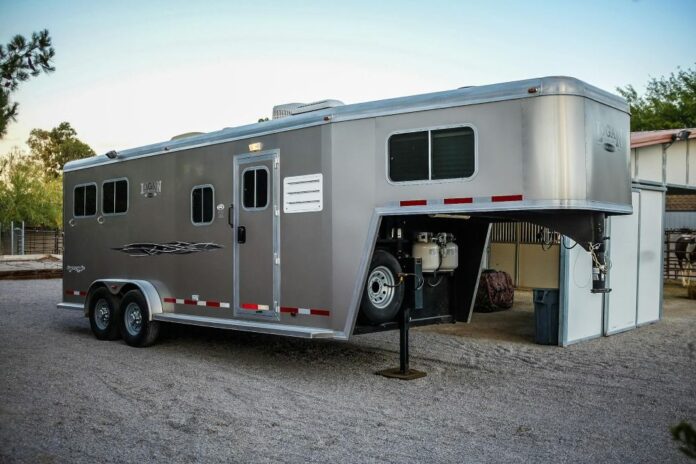
Owning an RV in Houston offers freedom, flexibility, and endless road-trip potential, but every recreational vehicle faces the same financial realities. The longer it sits unused or ages without upgrades, the more value it quietly loses. Depreciation does not happen all at once. It happens gradually, then suddenly, often catching owners by surprise. Knowing when to sell your RV before that decline accelerates can make the difference between a strong return and a disappointing offer.
In a market as active and climate-driven as Houston’s, timing matters more than many owners realize.
Understanding How RV Depreciation Really Works
RV depreciation begins the moment the vehicle leaves the lot, but the steepest drops often occur later, once warranties expire and wear becomes more noticeable. In Houston, heat, humidity, and sudden weather shifts can accelerate this process. Sun exposure fades exteriors, seals dry out faster, and interior materials can degrade more quickly than in milder climates.
Depreciation also compounds when an RV is unused. Tires flatten, batteries fail, fluids degrade, and minor maintenance issues turn into costly repairs. Buyers notice these signs immediately, and they factor them directly into pricing.
Warning Signs That Value Is About to Drop Faster
Many RV owners wait too long because the vehicle still appears usable. However, sure signs suggest that depreciation is about to accelerate.
If your RV is nearing the end of its manufacturer’s warranty, requires increasing maintenance, or has outdated features compared to newer models, its market value is likely to decline faster in the near future. Structural wear, roof seal issues, water intrusion, or aging appliances are significant red flags in Houston’s climate.
Storage costs also play a role. Monthly storage fees, insurance, and registration continue to add up, quietly reducing the net value of keeping the RV longer.
Why Houston’s Market Timing Is Unique
Houston has a strong RV resale market due to its proximity to major highways, coastal travel routes, and year-round travel demand. Spring and early summer typically bring higher buyer interest as families prepare for the travel season. Selling before peak summer heat intensifies can help preserve condition and attract stronger offers.
Storm season is another consideration. Flood exposure, wind damage, or prolonged humidity can sharply reduce resale value. Many buyers in the Houston area are cautious about water damage, making early action especially important.
Choosing the Right Selling Path
How you sell your RV matters just as much as when you sell it.
Private sales may offer higher asking prices, but they also involve time, uncertainty, and negotiation. Listings can sit for months, during which depreciation continues. Buyers often request inspections, price reductions, or repairs, especially if the RV shows age or climate-related wear.
Professional RV buyers provide a faster alternative. These buyers focus on current market value and vehicle condition, offering quicker transactions that reduce the risk of further depreciation. For owners who prioritize timing and certainty, this option can preserve value by shortening the selling window.
Preparing Your RV to Protect Its Value
Simple preparation can slow depreciation and strengthen your final offer. Clean the exterior thoroughly, inspect seals and roof areas, and address minor cosmetic issues if cost-effective. Remove personal items and document maintenance history clearly.
Honest disclosure builds trust. Buyers in Houston are especially alert to signs of moisture damage, so transparency helps avoid renegotiation and delays.
Financial Factors Owners Often Overlook
Depreciation is not only about resale price. Ongoing ownership costs eat into value every month. Insurance premiums, registration fees, storage expenses, and maintenance add up quickly. When these costs exceed the potential resale benefit of waiting, selling sooner becomes the smarter financial decision.
Fuel efficiency and emissions standards also influence buyer interest. Older RVs with lower efficiency ratings may see sharper value drops as newer models enter the market.
Making a Confident Decision
Selling an RV is not just a transaction. It is a financial decision tied to timing, market awareness, and local conditions. In Houston, climate, demand cycles, and weather risks all shape how quickly value can decline, especially for aging or unused vehicles.
Recognizing the moment before depreciation accelerates lets you act with confidence rather than urgency. For many owners, that means choosing the right time to get cash for your junk RV in Houston instead of holding onto a vehicle that continues to lose value. Whether upgrading, downsizing, or stepping away from RV ownership altogether, selling at the right time helps protect your investment and avoid unnecessary losses.
The Bottom Line
Every RV has a peak resale window. In Houston, that window can close faster than expected due to climate factors and market shifts. By understanding depreciation patterns, watching for warning signs, and choosing the right selling strategy, you can preserve value and avoid unnecessary loss.
Selling before depreciation hits hardest is not about rushing. It is about recognizing opportunity, acting strategically, and ensuring that your RV’s value works for you rather than slipping away unnoticed.


