The gap between a truck crash and what later becomes a legal claim is not space.
It is filled with fast decisions, silent paperwork, and early versions of events that often shape everything that follows. Most people only see the impact and the aftermath, but not the systems that start moving right away. From emergency reports to insurance files opening within hours, the process begins quietly but carries weight from the first minute.
This stage often decides how strong or weak a case becomes later, especially in serious 18-wheeler accident claims. The path is not straight, and it rarely stays simple for long. Here is what actually happens in between.
The First Response and What Gets Recorded First
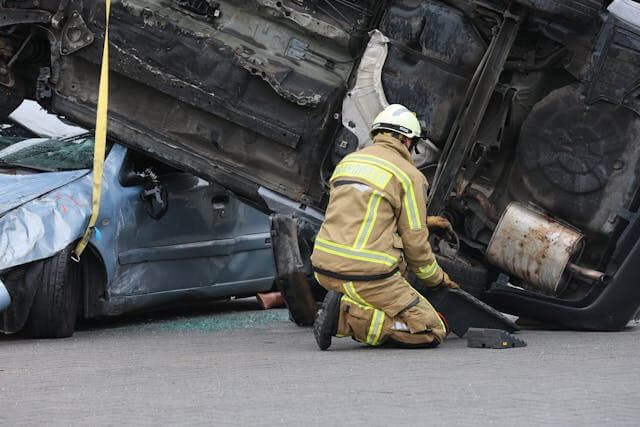
Right after a truck crash, emergency teams and police arrive and begin documenting the scene. This step feels routine, but it becomes the first official record of what happened. Details like vehicle positions, road conditions, and early statements from drivers and witnesses are written down quickly. These early notes often carry more influence than expected because they are created before any investigation begins.
At the same time, medical response teams focus on injuries and immediate care. This information also becomes part of the early record. In many cases, this is the moment where legal and insurance pathways quietly begin forming, even though no formal claim exists yet.
The Evidence Window That Opens and Slowly Closes
Once the scene is cleared, physical evidence starts to fade. Skid marks can disappear, debris gets cleaned, and vehicles are moved for repair or storage. This short window becomes very important because it holds information that may not come back later.
Modern trucks often carry electronic systems that record speed, braking, and movement before impact. These systems can help explain how the crash happened, but only if they are accessed in time. Photos taken at the scene, surveillance footage, and nearby camera recordings also become part of this early evidence stage.
This is where the early foundation of 18-wheeler accident claims begins to form, even before any formal paperwork is filed.
Insurance Files Open Before Most People Notice
Insurance companies usually get notified quickly after a crash. Once that happens, a claim file is created almost immediately. This file becomes the central place where all information is collected, reviewed, and stored.
At first, the file may look simple. It contains basic details like who was involved and what was reported. But it quickly grows as more documents arrive. Adjusters are assigned to review the situation and begin sorting information based on responsibility and coverage.
Different policies may be involved, especially in truck cases. This adds another layer because more than one insurer may be reviewing the same crash from different angles.
Sorting Fault Begins Before the Full Story Is Known
One of the earliest steps in the claim process is identifying who may be responsible. This happens before all facts are confirmed. Drivers may give different versions of events, and witnesses may remember things differently.
Trucking companies may also begin internal reviews, checking driver logs, schedules, and vehicle records. These early reviews are not final decisions, but they influence how the claim develops.
At this stage, responsibility is not settled. It is being shaped through early assumptions, available records, and initial reports that may later change.
Medical Records Become Part of the Case File
As medical treatment continues, records begin to build a timeline of injury and recovery. These documents show when care started, how injuries are treated, and how recovery progresses over time.
Even small details like appointment dates or treatment gaps can become part of how the claim is evaluated later. Insurance reviewers often compare medical records with crash reports to see if everything aligns.
This connection between health information and claim review becomes a major part of how cases develop.
Investigation Moves Beyond the Scene
After the early stage, investigations become more detailed. This is where experts may review crash patterns, vehicle damage, and electronic data. Statements are compared carefully, and inconsistencies are noted.
Insurance teams and legal representatives often request additional documents, including maintenance records, driver logs, and company policies. The goal is to build a clearer picture of what happened beyond the first reports.
During this phase, many details are confirmed, corrected, or expanded as new information appears.
Claim Value Begins to Take Shape
Once enough information is gathered, discussions about compensation begin. This is where the claim starts to take a more structured form.
Medical costs, time away from work, and long-term effects are reviewed together. Insurance companies may present early figures, but these are often based on limited information at first.
As more details are added, the value of the claim may change. This stage is not final, but it sets the direction for what comes next.
Why the Process Slows Before It Moves Forward
Truck crash claims often pause or slow down during review periods. This usually happens when information is missing, disputed, or still being collected. Multiple parties may also be involved, which adds time to the process.
Ongoing medical treatment can also delay final decisions because the full impact of injuries is not yet clear.
Conclusion
The space between a truck crash and a legal claim is filled with structured steps that unfold quietly but carry lasting impact. Each stage adds another layer of information, shaping how the case is understood over time. From early reports to investigation files, everything connects into a single process that moves slowly but steadily. In many 18-wheeler accident claims, what happens early often influences the entire outcome, long before any final decision is made.


