Packaging plays a critical role in how dried fruit products are protected, presented, and perceived by consumers. As demand for healthy, shelf-stable snacks continues to grow, brands are increasingly evaluating whether traditional rigid packaging still meets modern expectations. Today, flexible dried fruit packaging bags are emerging as a preferred alternative, offering advantages in cost efficiency, shelf appeal, and sustainability that are difficult to ignore.
Traditional packaging options such as jars, boxes, and rigid plastic containers have long been used for dried fruit products. While these formats offer durability, they often come with higher material costs, limited design flexibility, and increased transportation expenses. Flexible packaging bags, on the other hand, are designed to meet evolving consumer preferences while supporting operational efficiency for brands of all sizes.
Comparing Shelf Appeal, Cost, and Sustainability
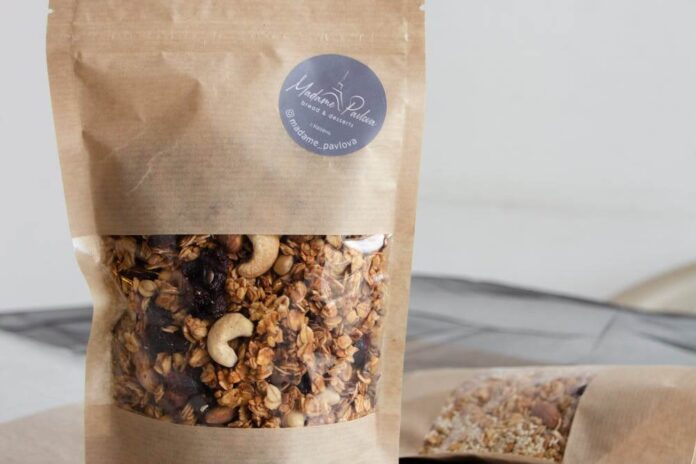
Shelf appeal is one of the most influential factors in consumer purchasing decisions. Flexible dried fruit packaging bags offer a modern look that immediately stands out in retail environments. With high-quality digital printing, brands can showcase bold colors, clear nutritional messaging, and engaging graphics that communicate freshness and quality at a glance. Features like resealable zippers and optional viewing windows further enhance usability while reinforcing trust with shoppers.
From a cost perspective, flexible packaging offers meaningful advantages over traditional options. Packaging bags typically require less raw material than rigid containers, resulting in lower production costs. Their lightweight design also reduces shipping and storage expenses, which can significantly impact margins—especially for brands distributing products at scale. These savings allow companies to reinvest in product development, marketing, or expanded distribution.
Sustainability is another major area where flexible packaging excels. Using fewer materials not only reduces waste but also lowers the carbon footprint associated with manufacturing and transportation. Many flexible packaging solutions are designed to support sustainability initiatives, including material reduction and compatibility with evolving recycling technologies. Compared to rigid packaging, which can be energy-intensive to produce and transport, flexible dried fruit packaging aligns more closely with environmentally conscious consumer values.
For high-volume production environments, brands often leverage roll stock film to further optimize efficiency. Roll stock allows packaging to be formed, filled, and sealed directly on automated lines, minimizing waste while maintaining consistent quality. This approach is ideal for dried fruit products that require reliable seals and strong barrier protection against moisture and oxygen.
Choosing the Right Format for Your Dried Fruit Line
Selecting the right packaging format depends on several factors, including product type, target market, and distribution strategy. Flexible dried fruit packaging bags are especially well-suited for brands that prioritize convenience, portability, and shelf visibility. Resealable features help preserve freshness after opening, while durable materials protect texture and flavor throughout the supply chain.
Consistency across product lines is another important consideration. Many snack brands package multiple items—such as dried fruits, nuts, and granola—under a unified brand identity. Flexible packaging supports this strategy by allowing consistent design elements across formats. For example, brands offering both dried fruit and products packaged in granola bags can maintain visual cohesion while adapting material structures to suit different contents.
Flexible packaging also supports innovation and agility. Lower minimum order quantities and faster turnaround times make it easier to launch new flavors, test seasonal offerings, or respond quickly to changing consumer trends. Traditional packaging often requires higher upfront investment and longer lead times, which can limit a brand’s ability to adapt.
A Modern Packaging Advantage
As consumer expectations continue to evolve, dried fruit brands must balance freshness, presentation, and sustainability while managing costs. Flexible dried fruit packaging bags offer a compelling alternative to traditional options, combining strong shelf appeal with operational efficiency and environmental benefits.
By choosing the right flexible format and production method, brands can enhance product performance, strengthen their visual identity, and position themselves for long-term growth in a competitive snack market.


