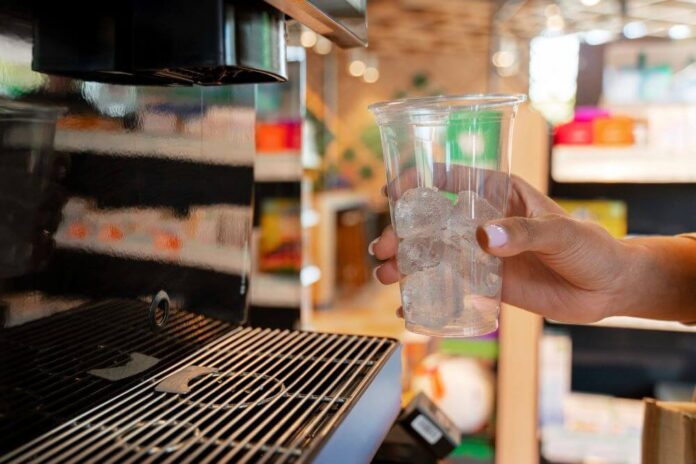
Running a high-volume café means your equipment has to keep up with both the morning rush and the slow afternoon drip of regulars. While coffee machines usually get all the attention, the ice maker is quietly responsible for everything from iced lattes to smoothie bowls and display trays. If it goes down—or can’t produce fast enough—you’ll feel it immediately. Choosing the right model isn’t just about capacity or size; it’s about understanding how your café works under pressure and finding tools that keep things moving without taking up too much space or time.
Understand Your Daily Output Needs
It’s easy to assume that any commercial ice machine will do the job, but output matters more than many café owners realise. A machine that’s too small for your service volume won’t just slow things down—it’ll cause you to run out of ice mid-shift, which forces a scramble that disrupts flow and compromises service. On the other hand, a machine that’s too large for your actual usage can waste energy, run inefficiently, and hog limited back-of-house space.
Think about what you’re really using ice for across a full day. If your team is making batch iced coffee, fruit juices, smoothies, and chilled food displays, your daily ice needs will be significantly higher than a café that only serves the occasional iced latte. Even seasonal fluctuations matter. Warmer months usually drive higher iced drink orders, so your machine has to perform consistently during peak times—without needing constant intervention or extra storage workarounds.
Choosing Between Ice Types
Not all ice is created equal, and different machines are built to produce specific types depending on their use. Cube ice, the most familiar, works well in cold drinks and tends to melt slower. It’s ideal for cafés serving iced coffees or sodas where presentation and dilution rate matter. Nugget ice—softer and easier to chew—has become popular for smoothies and blended drinks, where speed of blending and texture are priorities. Flake ice, which is softer and moulds easily, is commonly used for food display or cold storage trays rather than for serving.
The kind of drinks and food you offer should guide your choice here. If most of your cold drink menu relies on quick prep and consistent blending, a machine that handles flake or nugget ice might serve your team better than a cube-only option. Hygiene is another factor. Machines with better drainage and air circulation reduce the risk of mould, scale buildup, and bacteria—especially important in humid café kitchens. Storage bins and dispensers also need to be easy to access and clean during short gaps between service bursts.
Machine Footprint and Layout Impact
Every square metre matters in a café kitchen, and equipment layout can either streamline your team’s workflow or slow it down. Ice machines, especially those designed for high-volume output, can be bulky. But beyond size, their footprint includes water lines, drainage needs, ventilation clearance, and where the ice is actually dispensed or scooped. All of this needs to be factored in before settling on a model.
If your current layout is already tight, an undercounter machine might seem appealing, but these usually offer limited capacity and slower recovery times. Freestanding models often perform better but may require a redesign of your existing prep area. Also consider how the machine is accessed—can staff grab ice quickly from a bin during peak periods without disrupting others on the line? If the ice supply becomes a bottleneck, it’ll be obvious during the morning rush when every second counts.
Ventilation is often overlooked too. Machines that don’t vent properly into open space can overheat or introduce extra moisture into already busy kitchens. That extra humidity can affect other equipment and make the space less comfortable to work in. It’s worth checking that the machine fits your existing infrastructure without needing constant workarounds.
Noise, Speed, and Energy Efficiency
In a café with tight acoustics, the sound of an ice machine constantly kicking into gear can quickly become an unwanted background track. Some commercial models are surprisingly loud, and if your prep area is close to the front-of-house—or fully open plan—machine noise might affect the customer experience. Quieter machines exist, but there’s usually a trade-off between noise levels and performance. The key is choosing a model that doesn’t compromise on speed while staying unobtrusive.
Speed matters most when your team is dealing with back-to-back orders. Machines with faster cycle times and short recovery periods help avoid delays when ice use spikes suddenly. A slow machine might work fine during quiet periods, but it won’t keep up with weekend brunch service or summer smoothie runs.
Energy efficiency is just as critical, especially for cafés trying to manage overheads. Older models or oversized machines can eat into your power bill without adding much benefit. Newer commercial units tend to come with improved insulation, smarter cooling systems, and better water usage. These upgrades not only reduce your running costs but also help support more sustainable operations.
When to Upgrade Your Current Setup
Most café owners don’t replace their ice machines until something goes wrong. But waiting for a full breakdown can leave you without a backup during your busiest hours. There are a few clear signs that your current setup might be due for an upgrade: if your team is regularly running out of ice, if recovery times are slowing down, or if you’re calling for repairs more often than usual. Older machines also tend to be less energy efficient and harder to clean, which adds to long-term maintenance costs.
Cafés that have grown in popularity or expanded their menu often outgrow their original machines without realising it. What worked for a 40-seat space might not be cutting it in a venue serving takeaway, catering orders, and a full-day menu. That’s usually the time to reassess and look at better options.
To avoid downtime and guesswork, many café operators now choose to order our range of ice maker machines. This makes it easier to match the right model with current output demands, floor space, and service flow without starting from scratch.
Matching Equipment to Business Needs
An ice machine might not be the flashiest piece of café equipment, but it can have a serious impact on speed, consistency, and team efficiency. Choosing the right one isn’t about chasing specs—it’s about knowing how your café actually functions during a full shift. That includes staff movement, prep rhythms, maintenance windows, and customer demand.
The goal is always to support smoother service without constant workarounds. A well-fitted machine should work in the background without calling attention to itself. When it’s selected properly and placed thoughtfully, it frees your team to focus on what really matters: quality drinks, fast service, and a steady rhythm that holds up even on the busiest days.


