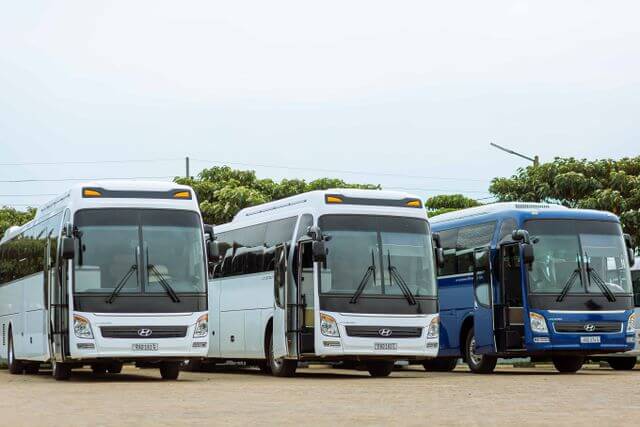
Group Travel in the Chicago Area: Why Charter Makes Sense
Coordinating group travel is one of those logistics challenges that seems manageable in the planning stage and reveals its complexity only when the event is underway. A dozen people in separate cars navigating downtown Chicago during a Cubs game, or fifty wedding guests trying to coordinate rideshare pickups at a suburban venue, or a university group attempting to travel to Champaign by a mix of personal vehicles — each of these scenarios tends to produce the same result: delayed arrivals, fragmented group experiences, and at least one contingent that misses the thing they traveled for.
Charter bus rental addresses these problems at the organizational level rather than asking individuals to solve their own transportation problem. A single vehicle with a professional driver, a fixed schedule, and a confirmed itinerary converts a coordination challenge into a managed logistics operation. The group travels together, arrives together, and the organizer has one point of contact responsible for making the transportation work.
This article covers the three most common use cases for charter bus rental in the Chicago area: local and regional event transportation within the city and suburbs, downstate routes to destinations like Champaign-Urbana, and wedding transportation logistics that span a full event day.
Renting a Charter Bus in Chicago: What the Process Looks Like
For groups new to charter bus arrangements, understanding what’s involved in rent a charter bus chicago from initial inquiry to day-of service helps set realistic expectations and reduces the likelihood of planning gaps. The process typically starts with a capacity and itinerary assessment: how many passengers, what are the pickup and drop-off locations, what is the schedule, and are there any specific requirements like luggage storage, AV equipment, or accessibility accommodations.
Vehicle selection follows from the passenger count and trip profile. Local urban trips with frequent stops and tighter street access may favor mid-size coaches over full-size motor coaches. Longer highway runs favor full-size coaches for their passenger comfort features — reclining seats, restrooms, climate control, and audio systems that make a two-to-three-hour trip significantly more comfortable than the equivalent in a smaller vehicle. The operator’s knowledge of Chicago-specific routing constraints — which venues have coach-accessible staging areas, which streets have weight or height restrictions — is a practical resource that experienced providers bring to the booking conversation.
Pricing for charter bus rental in Chicago varies by vehicle size, trip distance, duration, and seasonal demand. Requesting a detailed quote that breaks down the base rate, fuel surcharges, gratuity expectations, and any per-hour or per-mile overages is standard practice. Understanding what triggers additional charges — waiting time beyond the scheduled itinerary, route changes requested on the day of service — prevents billing surprises after the event.
Chicago to Champaign: A Practical Route for Groups
The Chicago-to-Champaign corridor is one of the most consistently traveled downstate routes in Illinois, driven by University of Illinois athletics, academic events, alumni travel, and the regular movement of students and families between the two cities. For groups making this trip, a bus to champaign il by charter coach offers a set of practical advantages over the alternatives that become more pronounced as group size increases.
The drive from Chicago to Champaign on I-57 runs approximately 130 miles and takes two to two-and-a-half hours under normal conditions, longer during heavy travel periods around game days or holiday weekends. For a group of 30 or more making this trip, the comparison with alternative transportation modes is straightforward. Individual vehicles require coordinated departure and arrival, produce parking costs at the destination, and create the driving fatigue associated with a round-trip that can exceed five hours. Amtrak service between Chicago and Champaign exists but operates on a schedule that may not align with event timing and doesn’t accommodate the door-to-door convenience of a chartered coach.
University of Illinois athletic events are a particularly common occasion for this route. A group traveling for a football game, a basketball game, or a graduation ceremony benefits from arriving together, having a designated staging area at or near the venue, and being able to depart on a schedule determined by the group rather than by a fixed transit timetable. Tailgating groups often value the motor coach itself as a pre-event gathering space — the ability to board at a single Chicago-area pickup point and arrive at Memorial Stadium or State Farm Center with the group’s energy intact is a different experience than assembling after a fragmented individual drive.
Wedding Transportation in Chicago: Managing the Full-Day Itinerary
Chicago’s wedding venue landscape spans the full range from downtown hotels with attached event spaces to suburban country clubs and historic properties that sit well outside the city’s transit network. wedding transportation chicago by motor coach is most commonly used to bridge the gaps that this geographic spread creates: transporting guests from a centrally located hotel block to a ceremony venue that isn’t easily self-navigated, connecting a ceremony location to a separate reception venue, and providing end-of-evening return service that allows guests to enjoy the reception without driving.
The full-day wedding transportation schedule typically involves two to three distinct movements of guests, each with different timing sensitivities. The pre-ceremony hotel-to-venue run is the most critical for punctuality — a wedding ceremony that starts late because guests are stuck in traffic or navigating a parking situation reflects on the overall event management even if the transportation failure was outside the couple’s control. Allowing sufficient buffer time between the scheduled departure from the hotel and the ceremony start, and communicating pickup times clearly to guests in advance, are the two most important factors in making this leg work.
The reception-to-hotel return run presents a different set of considerations. Guests are departing over a window of time rather than a single moment, and the coach may need to make multiple runs between the reception venue and the hotel to accommodate both early-departure and late-departure guests. Clarifying with the provider whether the booking covers a fixed number of runs or a duration of service — and confirming that the driver will be available for the full window rather than operating on a strict departure time — prevents end-of-night coordination problems when guests are tired and expectations are high.
Comparing Vehicle Options for Different Group Sizes
Motor coaches in the Chicago charter market are available in configurations ranging from roughly 24-passenger minibuses to 56-passenger full-size coaches. The right vehicle size depends on confirmed passenger count, luggage requirements, and trip distance — and getting this decision right affects both the cost efficiency of the booking and the comfort of the group during the trip.
For groups of 20 to 35 passengers on shorter urban trips, a mid-size coach may offer better maneuverability in downtown Chicago without significantly compromising amenities. For groups of 40 or more, or for any trip exceeding an hour, the full-size motor coach’s additional comfort features justify the capacity step-up. For weddings specifically, erring toward a larger vehicle that accommodates some empty seats is typically preferable to booking tight and discovering on the day that late RSVPs or unexpected guests have pushed the group beyond the vehicle’s capacity.
Groups with luggage requirements — university students traveling to Champaign with weekend bags, wedding guests arriving from out of town with overnight luggage — should confirm undercarriage storage capacity when booking, as this variable affects which vehicle configurations are practical for the specific trip rather than just the seating headcount.
Conclusion
Charter bus rental in the Chicago area serves a diverse range of group travel needs, from local event transportation within the city to downstate routes that put destinations like Champaign within comfortable reach for larger groups. The common thread across these use cases is that the logistics of group travel become more manageable — and the group experience more cohesive — when transportation is treated as a coordinated element of the event plan rather than left to individual arrangement. Booking early, communicating itinerary details clearly, and selecting a vehicle sized appropriately for the group are the three decisions that most reliably produce a transportation experience that supports the occasion it’s serving.


