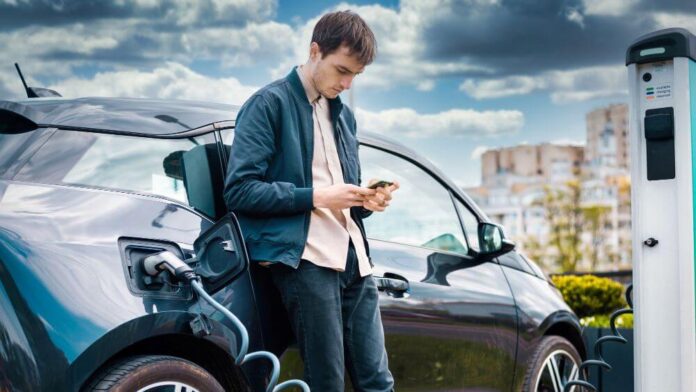
Electric vehicles are no longer a niche choice. They’re rapidly becoming the norm, and businesses need to adapt. Whether your employees drive EVs or your visitors arrive in them, having a clear charging strategy isn’t just forward-thinking, it’s essential.
But where do you start? Installing a few chargers in your car park might seem straightforward, but without a proper strategy, you could end up with underutilised equipment, frustrated staff or unexpected costs. This guide walks you through the key considerations for developing an employee and visitor EV charging strategy that actually works.
Why Your Business Needs an EV Charging Strategy
The shift to electric vehicles is accelerating. Sales of new petrol and diesel cars will be phased out in the UK by 2035 and many drivers are making the switch well before then. For businesses, this creates both challenges and opportunities.
Providing workplace charging offers tangible benefits. It attracts and retains talent, particularly employees who prioritise sustainability. It enhances your company’s green credentials and demonstrates commitment to environmental responsibility. Plus, it can improve visitor experience, making your premises more attractive to clients and partners.
However, rolling out charging infrastructure without a plan can lead to problems. You need to consider demand, costs, installation requirements and how the system will be managed day-to-day.
Understanding Your Charging Needs
Before you invest in any electrical infrastructure, assess your actual requirements. Start by surveying your workforce. How many employees currently drive electric vehicles? How many plan to switch in the next year or two? This data helps you project demand and avoid over- or under-investing.
Consider your visitors as well. Do you host clients regularly? Do you run events or conferences? A robust electric vehicle charging hub can be a real draw for business visitors, particularly those travelling long distances.
Location matters too. Employees might need slower charging options since they’re parked for extended periods, while visitors may benefit from rapid chargers that top up batteries quickly.
Choosing the Right Charging Infrastructure
Not all chargers are created equal. Understanding the different types will help you make informed decisions.
Slow chargers (3-7 kW) are ideal for employees who park all day. They’re cost-effective and place less strain on your electrical infrastructure. However, they won’t be much help for visitors who need a quick boost.
Fast chargers (7-22 kW) offer a middle ground. They charge vehicles more quickly than slow chargers but are still relatively affordable to install and operate.
Rapid chargers (50 kW and above) are best suited for visitor spaces or fleet operations where vehicles need to charge quickly. However, they require significant upgrades to your electrical infrastructure and come with higher installation and running costs.
If you’re planning a comprehensive electric vehicle charging hub, a mix of charger types often works best. This allows you to cater to different user needs without overspending on infrastructure you don’t require.
Managing Access and Payment
One of the trickiest aspects of workplace charging is deciding who can use the chargers and how they’ll pay for it.
For employees, you might offer free charging as a perk or implement a pay-per-use system. Free charging is attractive for recruitment and retention, but it can become costly as EV adoption grows. Some businesses opt for a hybrid approach, offering a certain amount of free charging per month, with additional usage charged at cost.
Visitor charging usually requires a payment system. This could be integrated into a charging network app or you might use RFID cards or contactless payment options.
Access control is equally important. You don’t want non-authorised users taking up spaces meant for employees or visitors. Smart charging systems can manage access, track usage and even schedule charging during off-peak hours to reduce electricity costs.
Addressing Installation and Grid Capacity
Installing EV chargers isn’t as simple as plugging them in. Your electrical infrastructure needs to support the additional load and this often requires upgrades.
Start by conducting a site survey with a qualified electrician. They’ll assess your current electrical capacity and identify any necessary upgrades. In some cases, you might need to increase your grid connection, which can be time-consuming and expensive.
Consider future-proofing your installation. Even if you only need a few chargers now, installing the necessary electrical infrastructure for expansion can save money in the long run. Conduit and cabling can be laid during initial construction, making it easier to add more chargers as demand grows.
Some businesses explore smart charging systems that balance load across multiple chargers. This prevents your electrical system from being overwhelmed during peak times and can reduce the need for costly grid upgrades.
Sustainability and Energy Management
Integrating EV charging with renewable energy sources enhances your sustainability credentials. Solar panels, for example, can offset the electricity used by your charging hub, reducing both costs and carbon emissions.
Battery storage systems offer another option. They store excess energy during off-peak hours and release it when demand is high, smoothing out electricity consumption and potentially lowering energy bills.
Smart energy management systems can optimise charging schedules based on electricity prices and grid demand. Vehicles can be charged when renewable energy is abundant or when electricity is cheapest, maximising efficiency and minimising costs.
Legal and Regulatory Considerations
Workplace charging comes with legal responsibilities. Employers must ensure installations comply with safety regulations and are maintained properly. Regular inspections are essential to prevent electrical faults and ensure user safety.
There are also tax implications. In the UK, providing charging for company cars can have different tax treatments than charging for employees’ personal vehicles. Consult with an accountant or tax advisor to understand your obligations.
Accessibility is another consideration. Make sure your charging points are accessible to all users, including those with disabilities. Clear signage and well-maintained spaces help ensure everyone can use the facilities easily.
Creating a Strategy That Grows with Your Business
Developing an effective EV charging strategy isn’t a one-time task. As EV adoption increases and technology evolves, your approach will need to adapt. Start by understanding current and projected demand, choose the right mix of charging infrastructure and put management systems in place that scale as your needs grow.
Whether you’re setting up an electric vehicle charging hub for a large corporate campus or adding a few chargers for employees and visitors, a thoughtful strategy ensures your investment delivers real value. With the right planning, your business can support the transition to electric mobility while reaping the benefits of enhanced sustainability and employee satisfaction.


