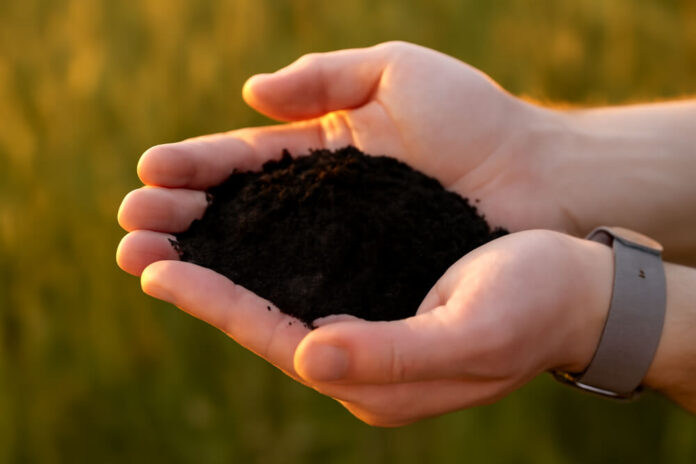
As global climate targets tighten and carbon budgets shrink, the need for effective carbon dioxide removal has never been more pressing. While reducing emissions remains paramount, scientists and policymakers increasingly recognize that removal technologies must complement these efforts to achieve net-zero goals. Among emerging climate solutions, biochar stands out for its unique combination of immediate availability, proven effectiveness, and multiple environmental co-benefits that extend far beyond simple carbon storage.
The challenge of managing organic waste while simultaneously addressing atmospheric carbon presents a dual opportunity that biochar carbon removal solutions are uniquely positioned to address. Rather than allowing agricultural residues, forestry waste, and other biomass to decompose naturally and release greenhouse gases, converting these materials into biochar locks carbon away for centuries while creating valuable products. This approach transforms what would otherwise be emissions sources into permanent carbon sinks, offering both environmental and economic value through emerging carbon credit markets.
The Science Behind Biochar’s Carbon Capture Potential
Biochar production relies on pyrolysis, a thermal conversion process that heats biomass in oxygen-limited conditions at temperatures between 350-900°C. During this process, volatile compounds and most oxygen and hydrogen are driven off, leaving behind a carbon-rich solid with a highly porous structure. This transformation is not simply charring; it creates fused aromatic ring structures that microorganisms cannot easily decompose, fundamentally changing how carbon behaves in the environment.
Research conducted by the USDA Forest Service and Agricultural Research Service demonstrates how biochar’s molecular structure provides exceptional resistance to degradation. When organic matter decomposes naturally, microbes break down cellulose and lignin within months or years, releasing carbon dioxide back to the atmosphere. Biochar’s stable carbon matrix, however, exhibits decomposition rates orders of magnitude slower than the original biomass, making it one of the oldest fractions found in soil organic carbon.
Key properties that enable biochar’s carbon removal effectiveness include:
- High carbon content typically ranging from 50-90% depending on feedstock and production temperature, concentrating carbon in a stable form
- Porous structure with surface areas exceeding 300 square meters per gram, providing both carbon storage and functional benefits
- Chemical stability from fused aromatic rings that resist microbial and chemical degradation over centennial timescales
- pH buffering capacity that helps maintain optimal soil conditions while the carbon remains sequestered
- Hydrophobic and hydrophilic surfaces that interact with both water and organic compounds, enabling multiple environmental applications
Proven Applications Across Multiple Sectors
Agricultural and Environmental Uses
The agricultural sector has embraced biochar for its dual capacity to improve soil health while permanently removing carbon. Farmers incorporating biochar into degraded soils report enhanced water retention, particularly valuable in drought-prone regions where every additional percentage point of soil moisture capacity translates directly to crop resilience. The porous structure acts as a refuge for beneficial microorganisms while providing surfaces for nutrient retention, reducing fertilizer runoff into waterways.
In environmental remediation, biochar demonstrates remarkable effectiveness at immobilizing heavy metals and organic pollutants in contaminated soils. Mining operations use biochar amendments to restore disturbed lands, simultaneously addressing legacy contamination and contributing to carbon removal goals. Water treatment facilities have begun replacing conventional activated carbon with biochar filtration systems, offering similar contaminant removal at lower cost while supporting sustainable waste management.
Composting operations that incorporate biochar report 40-60% reductions in methane and nitrous oxide emissions, two greenhouse gases with warming potentials 25 and 298 times greater than CO₂ respectively. These emission reductions compound the direct carbon removal benefits, making biochar integration in organic waste management an increasingly attractive strategy for municipalities seeking comprehensive climate solutions.
Industrial and Commercial Applications
Beyond agriculture and remediation, biochar finds growing applications in construction and manufacturing. Concrete producers add biochar as a lightweight aggregate, reducing cement requirements while permanently embedding carbon in building foundations and structures. The material’s high surface area and chemical stability make it valuable for specialized filtration applications, from industrial air scrubbers to stormwater management systems.
Implementing biochar systems at scale requires systematic planning:
- Feedstock assessment to identify sustainable biomass sources such as agricultural residues, forestry waste, or food processing byproducts that don’t compete with food production or conservation priorities
- Pyrolysis technology selection based on scale requirements, from small-scale farm units processing 100 kilograms daily to industrial facilities handling 50 tons per day
- Quality control protocols ensuring production temperatures and conditions create biochar meeting specific permanence and safety standards for intended applications
- Distribution infrastructure connecting biochar production with end-users in agriculture, remediation, or industrial sectors through established supply chains
- Monitoring and verification systems tracking carbon removal quantities and permanence to support carbon credit generation and ensure environmental integrity
Market Recognition and Investment Potential
The voluntary carbon market has rapidly elevated biochar’s status, with carbon removal credits from biochar projects commanding premium prices compared to conventional emission reduction credits. This price differential reflects biochar’s high permanence and the rigorous verification requirements established by leading standards including Verra’s VM0044 methodology, Puro.Earth protocols, and Gold Standard frameworks. These certification systems require detailed life cycle analysis, permanence guarantees, and third-party verification, providing buyers with confidence in the integrity of carbon removal claims.
Recognition by the Intergovernmental Panel on Climate Change (IPCC) as a carbon dioxide removal technology suitable for limiting warming to 1.5°C has accelerated institutional interest in biochar investments. The IPCC’s assessment identifies biochar’s potential to remove 0.03-4.9 gigatons of CO₂ annually by 2050, representing a significant contribution toward the 10 gigatons of annual carbon removal most climate scenarios require by mid-century. This scientific backing helps investors evaluate biochar projects against the stringent criteria increasingly applied to all climate investments.
Investment considerations for biochar carbon removal include:
- Permanence verification through established methodologies that quantify carbon stability over centennial timescales, reducing reversal risk
- Co-benefit valuation including soil health improvements, reduced fertilizer requirements, and emission reductions from avoided waste decomposition
- Regulatory alignment with emerging carbon removal policies and potential inclusion in compliance markets as governments establish carbon dioxide removal mandates
- Scalability potential given biochar’s technology readiness level and availability of sustainable feedstocks across agricultural and forestry sectors


