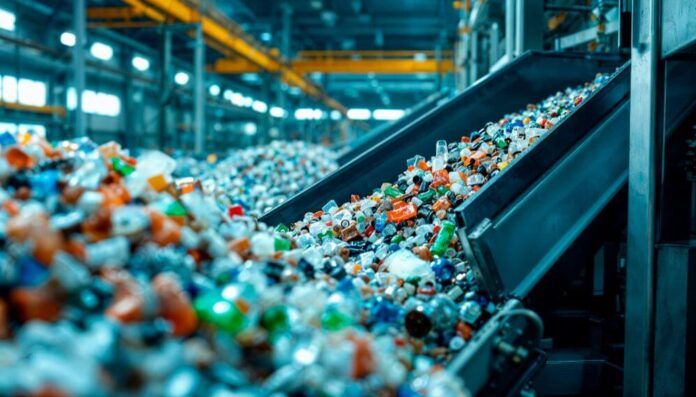
Plastic recycling continues to shape how manufacturing works today because it gives your operations a cleaner path forward while reducing unnecessary waste. As you explore better ways to run production, it becomes clear that using recycled materials offers practical benefits for long-term efficiency. With that in mind, the following guide explains how plastic recycling strengthens sustainable manufacturing.
Understanding the Role of Recycled Plastics in Modern Manufacturing
Plastic Recycling provides a reliable source of material for daily use, without dependence on plastics. As recycled resins are incorporated into your process, new raw plastic requirements decrease, and this enables your facility to produce high-quality goods while generating socially responsible material sourcing. This method also plays well with manufacturers looking for less volatility in the long term.
How Recycling Strengthens Sustainable Production Practices
When you incorporate recycled plastics, you contribute to a circular production process that extends the life of resources. Rather than discarding used plastic in a landfill, recycling centres can process your used product back to a reusable state, which you can see installed into new items. This kind of cycle is the basis for green manufacturing, which promotes conservation and minimisation of resource waste.
Why Recycled Plastics Reduce Manufacturing Waste Significantly
Manufacturing results in a large amount of waste, particularly when working with materials that are not easily recyclable. What’s more, recycled materials also typically arrive ready to process, so there are fewer trimmings, less surplus and fewer parts that are waste. That’s why this reduction reduces the disposal needs and also improves your production efficiency gradually and manageably.
The Impact of Recycling on Production Costs
Introducing recycled plastics into your process can help create cost-effective solutions because these materials generally require fewer resources to produce compared with new plastics. Take note that you gain the advantage of lower material expenses while maintaining product quality standards. Aside from that, recycling minimises transport and landfill fees related to waste removal.
Why Recycled Plastics Improve Supply Stability
Manufacturing often faces supply disruptions, especially when sourcing raw materials that rely on unpredictable global trade or fluctuating market movements. Recycled plastics provide a steadier supply option because recycling facilities continue processing waste regardless of external pressures. As a result, manufacturers gain resilience by using materials that are consistently available.
Environmental Advantages of Using Recycled Plastics
Recycling has the benefit of conservation, as it reduces volumes for waste disposal. When you rely on more recycled content, you’re helping reduce the amount of energy needed to produce virgin plastics. Furthermore, this transition also means lots of plastic waste is kept out of waterways, landfills and natural landscapes, enabling a cleaner environment and healthier communities.
How Recycling Enhances Product Innovation
Before moving into specific examples, it is helpful to consider how recycled plastics expand your creative reach. Manufacturers now use various forms of recycled materials to develop unique product lines that balance durability and sustainability. These materials also help designers explore new colours, textures, and finishes, giving your products distinct qualities while still meeting performance expectations.
Supporting Industry Reputation Through Responsible Manufacturing
Modern consumers and business partners pay close attention to manufacturing practices, which means sustainability influences buying decisions more than ever. By integrating recycled plastics, your brand presents a responsible image that reflects thoughtful resource management. This reputation also strengthens industry relationships, improves trust, and encourages long-term loyalty.
Building a Manufacturing Future Supported by Recycling
When you adopt recycled plastics across your manufacturing process, you create a cleaner, more efficient, and more resilient operation that stays aligned with modern expectations. This shift supports long-term sustainability, improves your production stability, and reduces unnecessary waste, making it one of the most impactful steps you can take towards a future-ready manufacturing system.


