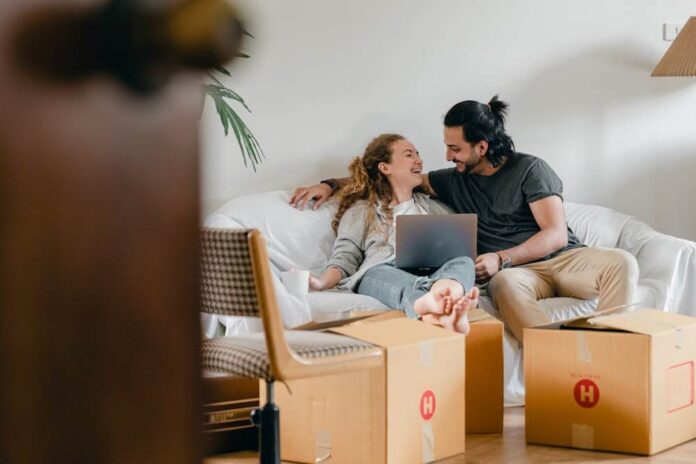
Moving into a smaller home can feel like a big step. Maybe you want less upkeep or lower costs. Maybe you want a fresh start in a space that feels simple and easy to manage. No matter the reason, the idea of living in a smaller place can bring a mix of excitement and worry. You might feel unsure about how all your belongings will fit. You might worry that the new space will feel tight.
The good news is that a smaller home can feel open and comfortable when you plan well. It is all about choosing what works for your lifestyle and setting up the space with intention. These tips will help you settle in without feeling cramped or overwhelmed.
1. Plan Your Move with Care
A smooth move starts with a solid plan. Take time to look at what you own and decide what should come with you. Make a simple checklist that covers each room. Break tasks into small steps so the move feels manageable. Planning helps you stay in control and avoid last-minute stress.
A local moving company can make this part easier. They can move the items you choose to keep and help you avoid hauling things you no longer need. When someone else handles the physical work, you can focus on organizing and preparing your new home. This approach saves time and energy.
As you plan, measure the large items you want to bring. Check the layout of the new place. This helps you avoid moving furniture that will not fit. If something feels too bulky for a small space, consider letting it go. Careful planning sets the tone for a simple and stress-free move.
2. Focus on What You Truly Need
Downsizing works best when you keep only what matters. Start by sorting your belongings into categories. Look at clothes, kitchen tools, décor, and any extra items you keep in storage. Ask yourself how often you use each item. Think about whether it adds value or comfort to your daily life.
It helps to be honest during this part. A smaller home feels more open when you keep only useful or meaningful items. If something has been sitting untouched for years, it may be time to donate it. If something no longer fits your lifestyle, consider giving it to someone else who can use it.
Letting go of extra items creates more room to breathe. It also makes unpacking faster and easier. When everything you own has a purpose, your new home feels light and organized.
3. Choose Furniture That Fits Small Spaces
Large furniture takes up too much room in a small home. It can make the house feel crowded right away. Instead, pick pieces that match the size of your space. Look for furniture with clean lines and smaller frames. A compact sofa or a simple dining table works well in tight areas.
Choose pieces that serve more than one purpose. An ottoman with hidden storage is helpful. Foldable chairs give you extra seating when guests visit. A bed with built-in drawers can replace a large dresser. Furniture that does more than one job saves space and keeps your home neat.
Avoid putting too many items in a single room. A small home feels bigger when you choose furniture carefully and leave room to move around.
4. Use Smart Storage to Save Space
Storage is your best friend in a smaller home. The right storage solutions keep things organized and out of sight. This helps reduce clutter and opens up floor space.
Use the full height of your walls. Tall shelves, hanging racks, and wall hooks give you room to store items without taking up extra space. Under-bed storage bins are great for seasonal clothes or spare bedding. Drawer organizers help you fit more into small spaces without feeling messy.
Closet systems can make a big difference, too. Simple shelves or hanging cubbies help you use every inch of space. Storage baskets keep daily items together so they are easy to find. Smart storage keeps everything tidy and helps your home feel calm and open.
5. Keep the Layout Simple
A simple layout creates a sense of space. Start by placing furniture where it allows easy movement. Leave clear paths so you can walk through a room without feeling crowded. When your home flows nicely, it feels larger.
Try not to fill every corner. Empty space gives the eye room to rest. This makes the whole home feel peaceful. Choose a few decorations you love and avoid adding too many pieces in one spot.
Mirrors are a great tool in small homes. They reflect light and make rooms look bigger. A mirror on a wall near a window can brighten up a space and add depth without taking up much room.
6. Use Light Colors and Natural Light
Light colors can open up a small room. Soft paint colors on the walls help reflect natural light. This makes the space feel brighter and more inviting. Shades of white, beige, or pale gray work well. These colors keep rooms from feeling closed in.
Pay attention to your window treatments. Heavy curtains block light and make rooms feel tight. Choose simple curtains or blinds that let sunlight come through. Natural light makes any home feel warm and open.
Use soft lighting in the evenings. Warm lamps and small fixtures add a cozy feel without making the space look dark. Light plays a huge role in how a small home feels, so use it to your advantage.
Moving into a smaller home can be a fresh start. With a little planning and thoughtful choices, you can turn it into a space that feels warm and inviting. Focus on what matters, choose the right furniture, and keep the layout simple. Use storage that works for your daily life. Lighten the space with soft colors and natural light. Stay organized so your home keeps its calm feeling.
A smaller home does not have to feel cramped. It can feel cozy, easy to manage, and welcoming. With the right steps, you can enjoy your new home and live comfortably in a space that fits your needs.


