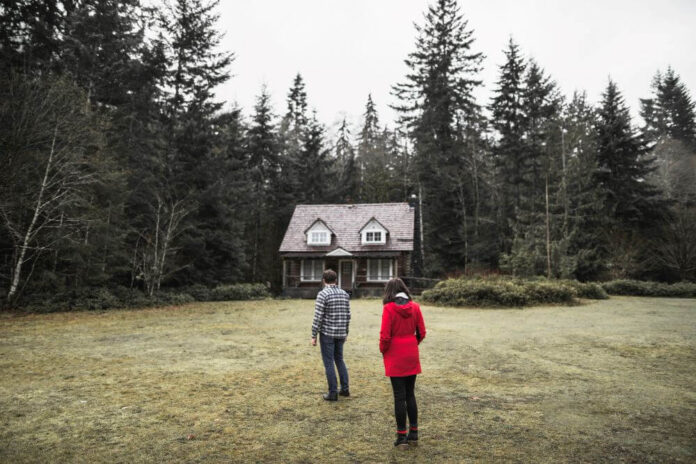
If you own unused land—or have access to it—you may be sitting on a passive income opportunity that doesn’t involve building from scratch, managing tenants, or waiting years to see a return. With the growth of short-term rentals, especially in rural or scenic areas, there’s real potential in turning empty land into a profitable Airbnb.
For entrepreneurs, launching a hands-off business with a simple setup is appealing. Traditional real estate often involves large upfront costs, slow timelines, and ongoing oversight. Fortunately, there’s a more efficient option: installing a ready-made cabin that guests are eager to book.
This article breaks down how to use pre-built park model homes to create a short-term rental that’s easy to manage, earns steady income, and supports your long-term business goals.
Why Airbnb Rentals Still Make Sense
Short-term rentals remain one of the most flexible and resilient income models for entrepreneurs. Even as travel preferences evolve, demand stays high—especially for listings that offer comfort, character, and privacy.
Guests are looking for quiet getaways, unique stays, and rural escapes. Nature-inspired cabins, compact lodging, and well-designed tiny homes continue to perform well on booking platforms. These types of properties often attract remote workers, couples on weekend trips, and travelers seeking something different from a typical hotel.
Recent insights into tiny home Airbnb trends show that smaller, distinctive accommodations can achieve high occupancy and competitive nightly rates. This demand creates a real opportunity for landowners to enter the rental market without taking on large-scale development.
Why Park Model Homes Are Perfect for Passive Hosts
Launching a short-term rental doesn’t have to involve construction. Park model homes are pre-built cabins delivered ready to use, removing the most time-consuming and expensive parts of property development.
Massachusetts has a rugged kind of beauty once you get beyond the city. Rolling hills, pine forests, and old farm roads shape the inland landscape. In these quieter pockets, you’ll find the kind of sturdy, simple setups that echo the park model homes MA residents often place on tucked-away lots—built to handle the seasons and blend into the surroundings.
Inside, these cabins include full bathrooms, kitchenettes, and efficient layouts that maximize usable space. They’re designed to feel like permanent structures, not temporary shelters.
From a business standpoint, they reduce setup time, eliminate contractor management, and help you start generating income faster. For entrepreneurs who value time and scalability, this simplicity is a major asset.
How to Turn Vacant Land into a Cabin Rental
Creating a short-term rental on empty land is more straightforward than most people expect. With a park model home, the focus shifts from building to prepping the land and setting up essentials.
Start by checking local zoning and short-term rental regulations. Many rural areas allow park model homes under recreational or RV classifications, which often come with more flexibility than residential zoning. Always confirm whether utility connections or septic systems require permits.
Next, ensure the site has basic access. A gravel driveway is often enough for delivery and guest parking. If the property is off-grid, consider solar power, composting toilets, or water storage solutions to meet guest needs.
Choose a spot that highlights the natural setting. Views, privacy, and shade all enhance the experience. Simple outdoor features, such as a fire pit or picnic table, can help elevate the listing and justify higher nightly rates.
Once the cabin is delivered and installed, furnish it with durable essentials. Make sure the space is comfortable, functional, and ready for guests—from linens to check-in instructions.
Estimating Your Startup and ROI
Compared to traditional real estate, park model homes offer a more predictable path to launching a rental. The biggest expenses include land prep, delivery, utility setup, and furnishings—but costs stay relatively low and manageable.
Typical startup costs include:
- Land prep: Clearing, grading, and creating access
- Delivery and setup: Transport, leveling, and hookups
- Furnishings: Practical furniture, linens, and kitchen basics
Depending on location and features, rentals like these in Massachusetts often earn between $120 and $250 per night. With consistent bookings, it’s possible to recover your investment within two years.
After that, the income stream becomes more passive. Ongoing costs are usually limited to cleaning, maintenance, and occasional restocking of supplies—making this an appealing model for time-conscious entrepreneurs.
Marketing and Managing Your Cabin Remotely
Running a successful cabin rental comes down to visibility and systems. Once your park model home is set up, focus on building a strong listing and automating key tasks.
Create an Airbnb listing with clear, benefit-focused descriptions and professional photos. Highlight the features that matter most to guests—peaceful surroundings, cozy interiors, and ease of access.
Use remote tools to simplify management. Automated messaging, keyless entry, and cleaning services let you manage the rental with minimal hands-on involvement. Property management software can help you stay organized across platforms.
If you’re new to hosting, investing in your own learning can pay off. Listening to the best business podcasts for entrepreneurs can provide insights into guest experience, marketing, and business growth that apply directly to managing a short-term rental.
With the right tools and mindset, you can create a system that earns consistently and requires less time over the long term.
Conclusion
Transforming vacant land into a profitable Airbnb rental doesn’t require construction experience or a large investment. With park model homes, you can launch a low-maintenance business that aligns with your goals and lifestyle.
This approach is ideal for entrepreneurs who want to generate income while keeping things simple. As guest demand for unique, nature-based stays continues to rise, there’s a clear opportunity to build a rental that works—without it becoming your full-time job.
If you’re looking for a flexible side hustle or your first step into real estate, a pre-built cabin on your land could be the easiest way to get started.


