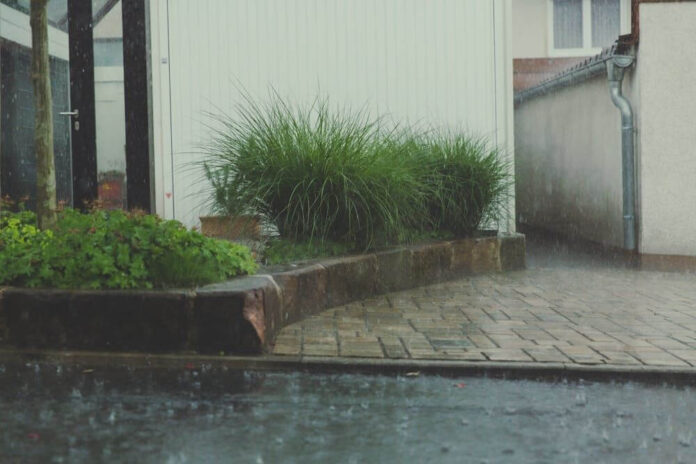
Dark clouds may signal cooler days ahead, but they also bring a steady test for your home. Weeks of rain can expose flaws that stay hidden during dry weather. A small crack, a loose tile, or poor drainage can quickly turn into leaks, damp walls, or even structural damage. Many homeowners only notice these problems when it is too late.
However, simple upgrades can control how water flows around your home, protect key areas, and reduce the risk of long-term damage. With a focused plan, you can face the monsoon season with confidence instead of concern.
Inspect and Repair Your Roof
The roof takes the first impact when heavy rains arrive, so it needs close attention before the season begins. Check for broken, loose, or missing shingles, as these allow water to seep through easily. Even a small gap can lead to leaks that spread into ceilings and walls. Look for signs such as dark patches, damp spots, or peeling paint inside the house, as these often point to hidden roof issues. Flashing around vents, chimneys, and skylights should also be secure and properly sealed. If any part looks worn or damaged, repairs should not be delayed.
Improve Landscaping to Prevent Water Pooling
Water that collects around your home can weaken the foundation over time. One of the most effective ways to prevent this is to make sure the ground slopes away from the structure.
In areas where water tends to gather, a French drain can provide a reliable solution. This system uses a trench filled with gravel and a perforated pipe to move water away from problem areas. It works quietly beneath the surface and helps maintain dry soil around the home. Proper installation is important, which is why you need to work with professional French drain contractors. They can assess the land, plan the right layout, and ensure the system functions as intended without clogging or failure.
Seal Cracks in Walls and Foundation
Cracks in walls and foundations may seem minor, but they can allow water to enter during heavy rains. Once moisture gets inside, it can lead to damp patches, mold growth, and gradual weakening of the structure. A careful inspection of both interior and exterior walls helps identify areas that need attention. Sealing these gaps with proper waterproof materials creates a barrier against water intrusion.
Foundation cracks should be handled with care, as they can affect the stability of the entire building. Addressing them early prevents further expansion and costly repairs.
Waterproof Exterior Walls
Exterior walls face constant exposure to rain, so adding a protective layer helps reduce moisture absorption. Over time, paint and surface coatings can wear down, leaving walls vulnerable. Applying a weather-resistant sealant or waterproof coating creates a shield that limits water penetration. This step is especially useful in areas that receive direct rainfall for long periods. Repainting with suitable materials can also improve resistance to moisture. Proper waterproofing not only protects the structure but also helps maintain a dry and comfortable indoor environment. It reduces the chances of damp patches and keeps walls in better condition throughout the season.
Check Doors and Windows for Gaps
Doors and windows often become weak points during heavy rain if they are not sealed properly. Small gaps around the frames allow water and moisture to enter, which can lead to damp interiors and damage to wooden fittings. It is important to inspect all edges and corners for worn-out seals or visible openings. Weather stripping should fit tightly and remain intact. If it has become brittle or loose, replacing it can improve protection. Windows should close fully without leaving space for water to pass through. Paying attention to these details helps maintain a dry indoor environment and prevents gradual damage that may go unnoticed at first.
Upgrade Electrical Safety Measures
Electrical systems need extra care before the monsoon season. Moisture and exposed wiring create serious risks, including short circuits and equipment failure. A thorough inspection helps identify loose connections, worn insulation, or exposed wires. Outdoor electrical points should have proper covers to keep rainwater out. In areas where power fluctuations are common during storms, surge protectors can help protect appliances.
It is also wise to ensure that important systems are positioned away from areas where water might collect. Taking these precautions reduces the chance of electrical hazards and keeps the home safe during periods of heavy rain.
Secure Outdoor Structures
Outdoor elements such as fences, sheds, and pergolas can become unstable when exposed to strong winds and continuous rain. Loose fittings or weakened joints may fail under pressure, causing damage to nearby areas. Checking these structures before the season begins helps identify parts that need tightening or repair. Trees near the house should also be trimmed to remove weak or overhanging branches. During storms, these branches can break and cause harm to roofs, windows, or power lines. Keeping outdoor spaces secure reduces the risk of unexpected damage and ensures that everything remains in place during rough weather.
Maintain Proper Indoor Ventilation
High humidity levels during the monsoon can make indoor spaces feel damp and uncomfortable. Without proper ventilation, moisture builds up and creates conditions that support mold and mildew growth. Kitchens and bathrooms are especially prone to this issue, so exhaust fans should be in good working condition. Windows can be opened when the weather permits to allow fresh air to circulate. Airflow helps keep surfaces dry and prevents the musty smell that often develops in closed spaces.
Regular cleaning of vents and filters also improves air quality. Maintaining ventilation supports both the structure of the home and the comfort of those living inside.
A home that is ready for the monsoon does more than withstand rain. It creates a sense of control during a season that often feels unpredictable. Each upgrade, whether small or significant, adds a layer of protection that supports the structure. Instead of reacting to problems as they appear, you set clear boundaries that limit how far those problems can go. This approach protects the physical space and simultaneously reduces the stress that comes with sudden repairs. With careful preparation, your home remains steady, allowing you to focus on daily life even when the weather turns severe.


