Managing a small company involves juggling many different tasks at once. One of the biggest hurdles is finding enough room for all your products. You need to keep things organized to serve your customers well. When your office or storefront gets too crowded, productivity begins to drop.
Solving the Space Problem
Most small firms start in a garage or a tiny office space. Growth happens fast, and soon every corner is filled with boxes. This clutter makes it hard for your staff to move around and find items.
Having a dedicated spot for your tools and inventory keeps your main office professional. It makes a great impression on visiting clients or potential partners. You will feel more organized and in control of your daily tasks.
Benefits of Off-Site Storage
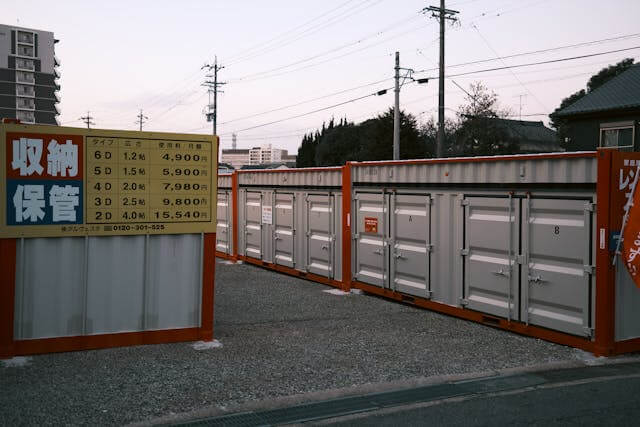
Moving seasonal items or slow-moving stock helps clear the path for your daily operations. Choosing a secure storage facility keeps your assets safe and opens up your floor plan for better workflows. Having this extra breathing room allows your team to focus on fulfilling orders instead of moving boxes.
You can organize your unit to match your specific business needs. This setup prevents your main office from becoming a warehouse. It gives your staff the space they need to work without tripping over pallets.
Dealing with Excess Inventory
Keeping too many items on hand is a common habit for many managers. A recent industry report found that 55% of small firms carry at least 20% more stock than they actually need. This creates a massive physical burden on your facility.
Excess gear hides behind desks and stacks up in hallways. Clearing out these items makes your daily operations much smoother. It frees up your mental energy to focus on sales.
The Rise of External Logistics
Many brands are turning to third parties to handle their physical goods. One business blog noted the global market for third-party logistics was worth $1.1 trillion last year. This trend shows how much companies value getting help with their supply chain.
Partnering with external providers helps you scale your brand without buying a building. You get access to professional systems without the massive overhead costs. It is a smart way to grow in a competitive market.
Managing Your Operational Costs
Storing goods is not just about the space but also the price you pay for it. A logistics report highlighted that minimum fees for warehouse partners rose from $337.50 to $517 in just one year. This jump makes smaller, flexible storage units a better choice for many.
You can control your spending by only paying for the exact space you need. This flexibility is great for businesses with seasonal ups and downs. It keeps your budget on track all year long.
Smart Auditing Techniques
You do not have to count every single item in your warehouse every week. An article on business resources suggested using cycle counting to check small portions of stock on a regular schedule. This method keeps your data accurate without halting your work.
Regular checks catch small errors before they turn into big problems. Your staff will spend less time hunting for ghost inventory. It builds trust in your digital tracking systems.
Adopting Modern Scanning Tools
Barcodes are a simple way to speed up your receiving and shipping process. A tech blog explained that barcode scanners let organizations process a large quantity of goods with point-of-sale systems. This tech cuts down on the time spent typing in product numbers.
Using scanners reduces the risk of human error during busy times. It makes training new staff members much faster and easier. You can track your stock levels with a simple click.
Improving Your Cash Flow
Tying up too much money in stock can hurt your ability to pay other bills. A guide for SMEs mentioned that efficient inventory management makes sure your capital is not tied up in excess stock. This cash is better spent on hiring new talent or upgrading your equipment.
Having a lean inventory means you have more liquidity to handle emergencies. It allows you to pivot quickly when customer tastes change. Your business becomes more resilient and adaptable.
Practical Tips for Storage
Organizing your off-site unit is just as important as your main office. Use clear labels and sturdy shelving to maximize the vertical space. Keep your most popular items near the front for quick access.
Here are a few ways to keep your storage area tidy:
- Use heavy-duty plastic bins instead of cardboard.
- Create a basic map of the unit for your team.
- Leave a small aisle so you can reach the back.
- Audit the unit once a month to remove junk.
Streamlining your small business requires a mix of smart tech and physical space. Using off-site solutions gives you the room to grow without the stress of a cluttered workspace. When you have a clear office and an organized storage plan, your team can truly shine.


