A truck accident in Manhattan that involves several vehicles can leave everyone asking the same question: who is responsible? The answer often depends on how each driver acted, the truck’s condition, and even the state of the road. Liability in a multi-vehicle truck crash depends on the actions and responsibilities of every party involved.
Understanding how fault is determined helps anyone affected make informed decisions about insurance, repairs, and possible legal action. This article explains how negligence, company practices, and other factors shape who must pay for the damage after a serious truck collision in Manhattan.
Truck driver liability based on negligence or traffic violations
A truck driver may face liability if evidence shows careless or unlawful conduct caused a crash. Common examples include speeding, running red lights, or driving while distracted. Fatigue or violation of federal hours-of-service rules can also indicate negligence.
Drivers must follow strict safety standards. Failure to inspect brakes, secure cargo, or maintain control of the vehicle may lead to shared fault in a multi-vehicle Manhattan accident. Each act of negligence can increase the risk of serious injury to others on the road.
A skilled Manhattan truck accident lawyer you can trust can review driver logs, dashcam footage, and police reports to identify violations. This evidence helps determine whether the driver’s actions directly caused the collision. Legal guidance guarantees victims understand their rights and pursue fair compensation.
Truck accident cases often involve multiple parties, but driver negligence remains a key factor. Establishing fault through clear proof of traffic or safety violations allows injured individuals to hold the responsible party accountable.
The trucking company is responsible for vehicle maintenance and driver training
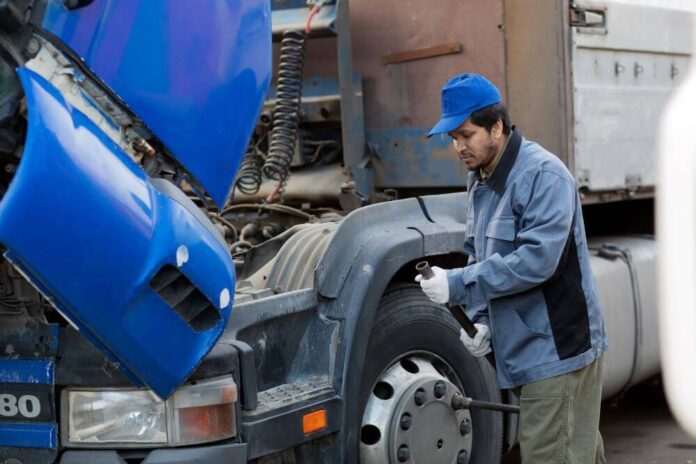
A trucking company must keep its vehicles in safe condition before sending them on the road. Federal rules require regular inspections, brake checks, and tire replacements. Failure to meet these standards can make the company liable if faulty equipment causes a crash.
Neglected maintenance often leads to serious accidents. For example, worn brakes or steering problems can prevent a driver from avoiding a collision. Therefore, a company that ignores repair needs or maintenance records may share fault for resulting injuries or damage.
Driver training also plays an important role in preventing accidents. Companies must teach drivers how to handle large trucks, follow hours-of-service limits, and manage fatigue. Poor training or supervision can show negligence if a driver makes an avoidable mistake.
Proper maintenance and training reflect a company’s commitment to safety. These actions protect drivers, passengers, and other road users while reducing the risk of multi-vehicle accidents in busy areas like Manhattan.
Other involved drivers’ fault in causing or contributing to the crash
Several drivers may share fault in a Manhattan truck accident that involves multiple vehicles. Each driver’s actions before the impact matter. A driver who followed too closely, sped through traffic, or ignored signals could bear part of the blame.
Investigators often review police reports, witness statements, and video footage to see how each vehicle moved. They look for signs of negligence, such as sudden lane changes or failure to yield. These details help determine how much responsibility each driver holds.
In some cases, one driver’s mistake sets off a chain reaction that affects others. For example, a car that stops abruptly in front of a truck may cause the truck to hit another vehicle. However, if other drivers also acted carelessly, fault may be divided among several parties.
Insurance companies and courts use this shared-fault analysis to decide how damages are paid. Each driver’s share of fault affects the amount of compensation they may recover or owe.
Government entities if poor road conditions or signage contributed
Poor road design, damaged pavement, or missing signs can cause or worsen a truck accident. Government entities that manage city streets or highways may share fault if they fail to keep the roads safe. Their duty includes repairing hazards and maintaining clear, visible traffic signs.
Liability depends on proof that the agency knew or should have known about the unsafe condition but did not fix it in a reasonable time. Evidence such as maintenance records, complaints, or photos can help show this failure. Therefore, identifying the responsible agency is an early step in any claim.
In some cases, private contractors hired by the government may also bear responsibility. They must follow safety standards during construction or repair work. If their negligence contributes to poor conditions, they may face legal action along with the government entity.
Insurance companies’ role in covering damages and negotiating claims
Insurance companies play a major part in how damages are paid after a multi-vehicle truck accident. They review each policy to decide who must pay for injuries, property damage, and lost income. Each driver’s coverage, including liability and collision, affects how much compensation victims receive.
Adjusters assess the accident details to determine fault and the value of each claim. They often rely on police reports, witness statements, and repair estimates to make these decisions. In complex cases, several insurers may share responsibility for payouts.
Negotiations between insurers and injured parties can take time. Companies often aim to limit payouts, so victims or their attorneys must present strong evidence to support the claim. Clear documentation of medical costs, lost wages, and property damage helps strengthen a case.
An attorney can help manage communication with insurers and push for fair compensation. This support helps balance the process and protects the injured person’s financial interests.
Conclusion
Liability in a Manhattan truck accident with several vehicles often depends on evidence, driver actions, and company oversight. Each party’s role must be reviewed to determine who bears fault. Police reports, witness accounts, and expert analysis often guide this process.
Truck drivers, trucking companies, and other motorists may each share part of the blame. For example, a driver may face fault for speeding, while a company may face fault for poor maintenance or unsafe scheduling.
Insurance carriers and legal teams often dispute responsibility, which can delay settlements. Therefore, victims benefit from clear documentation and professional legal guidance to protect their rights.
These cases demand careful investigation and a fair review of all facts. Only through this process can those affected receive proper accountability and compensation.


