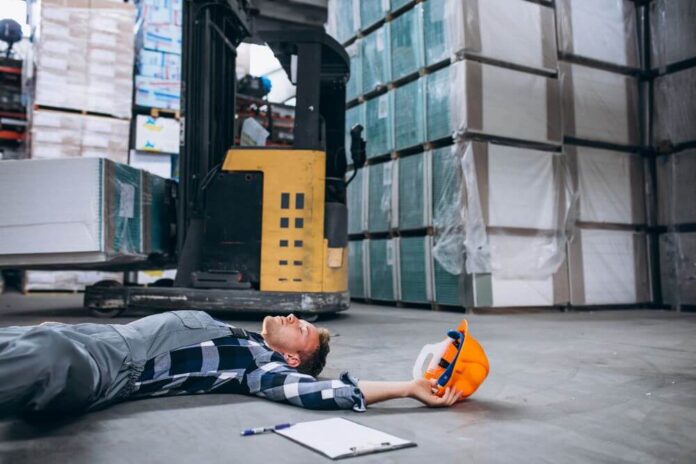
Workplace slip and fall accidents happen more often than you might think. These incidents sent over 8 million people to emergency rooms in 2023, making up 21.3% of all ER visits. What might look like a minor accident at first can lead to serious financial problems for both companies and their workers.
The statistics paint a grim picture. Workplace slips, trips, and falls cost American businesses roughly $70 billion each year in medical bills and workers’ compensation. Medical consultations for each injury averaged $43,000 in 2023. These accidents hurt more than just bodies – they wreck finances too. Workers miss an average of 38 days after such accidents, and these incidents make up over 25% of workplace injuries that keep people off the job. The financial damage goes way beyond just paying medical bills.
Let’s get into how these accidents occur, which workers face the biggest risks, and the hidden costs that many companies miscalculate. You’ll also learn practical ways to protect your employees and your company’s financial health.
How slip and fall accidents happen at work
Workplace falls happen more often than we might think. Each year, these incidents claim about 700 lives in workplaces. They rank among the most common causes of serious work-related injuries and deaths.
The physics of slips, trips, and falls
Three physical factors play a crucial role in workplace falls: friction, momentum, and gravity. A slip happens at the time there isn’t enough friction between footwear and the walking surface to offset stepping forces. Scientists have different categories of slips based on length. “Microslips” (under 3 cm) usually go unnoticed by people. “Slips” (8-10 cm) make people try to recover their balance. “Slides” (exceeding 10 cm) usually end in falls.
Your foot hitting an object causes trips, and your body’s momentum carries you forward while your feet stop moving. Surface bumps as tiny as 5 mm can make someone trip.
Common workplace hazards that lead to falls
Workers face these fall hazards every day in their workplace:
- Contaminated surfaces: Slippery conditions arise from water, grease, oil spills, and weather-related moisture
- Obstructions: Tripping risks come from clutter, cords, open drawers, and equipment in walkways
- Environmental factors: Walking areas become dangerous due to poor lighting, uneven flooring, and lack of maintenance
- Improper equipment use: Problems arise from unsafe ladder positioning and misused fall protection
Construction, healthcare, social assistance, manufacturing, and transportation industries show the highest fall injury rates.
Same-level vs. elevated falls
Falls split into two main categories. Same-level falls happen without any height change and make up 67% of all fall incidents. These falls claimed 144 worker’s lives in 2022, though they might seem less dangerous.
Falls from heights involve ladders, scaffolds, and roofs, accounting for 30% of falls. These incidents cause more severe injuries, even though they happen less often. Construction workers face the highest risk of fatal falls from heights – seven times more than other industries.
Some workers face greater risks than others. This includes people who carry heavy loads, those with higher body mass index, and workers in unfamiliar settings.
Who is most at risk and why it matters
Some workers face higher risks of slipping and falling at work, which can change their lives forever. We need to identify these vulnerable groups to focus our prevention efforts where they matter most.
High-risk industries and job roles
Construction workers face deadly falls from heights at seven times the rate of other industries. Workplace injury data shows several other high-risk sectors:
- Transportation and material moving
- Healthcare and social assistance
- Manufacturing
- Building cleaning and maintenance
- Warehousing
- Agriculture
These industries have specific jobs that come with higher risks. Construction accounts for 58.9% of all work-related deaths among older workers. Unskilled workers make up 45% of non-fatal injuries among aged workers.
Age and physical condition as risk factors
Age plays a huge role in fall risks. Workers 55 and older have the highest risk of workplace falls. Those over 65 fall about three times more often than younger workers. The death rate from work-related falls among aged workers (0.973/10,000) is four times higher than younger workers (0.239/10,000).
Physical changes that come with age make people more vulnerable. Weaker leg muscles, poor balance, and reduced sensory abilities like vision all make people more likely to slip and fall.
Repeat incidents and long-term effects
The scariest part is that falls often happen again. People who fell during the first year of the study had a 42.9% chance of falling again the next year. About 30% of older adults fall each year, and many fall multiple times.
These accidents affect more than just immediate injuries. Slips, trips, and falls make up 15% of workers’ compensation claims. These incidents keep 22% of workers away from their jobs for more than 31 days. Companies pay around $90 billion yearly in compensation and medical costs.
The real cost of workplace injuries
Slip and fall accidents create financial strain that goes way beyond the original medical costs. A closer look at both obvious and hidden expenses reveals a troubling situation for everyone involved.
Workplace injury costs to employers
Companies take a massive financial hit when their employees slip and fall. U.S. employers pay roughly $70 billion each year in workers’ compensation and medical expenses for these accidents. The immediate costs pile up quickly: medical bills, compensation claims, and possible legal fees. Companies dealing with slip and fall cases often end up paying six or seven-figure settlements. These incidents make up 16% of all workers’ compensation claims but eat up 26% of the total costs.
Cost of workplace injuries to employees
Workers face heavy financial pressure from these accidents. Their workers’ compensation only covers about 66-70% of regular wages, which leaves them with a big income gap. The average slip and fall victim misses 38 days of work – almost eight weeks without full pay. Workers deal with career setbacks, earn less money, and might become permanently disabled, and many also face ongoing medical bills that stretch well past their original treatment, often leading them to resources like ConsumerShield to better understand what claims may be possible.
Injury cost calculator: what the numbers say
OSHA’s Safety Pays Individual Injury Estimator helps calculate the real financial toll of workplace injuries. This tool shows how job injuries hurt profits by adding up direct costs, factoring in indirect expenses, and figuring out how much sales revenue companies need to offset these costs. The results are eye-opening – all claims combined averaged $44,179 in 2021-2022, while falls or slips cost about $51,047 per claim.
Emotional and operational ripple effects
The human cost runs deeper than just money. Victims often struggle with depression, anxiety, and PTSD. Many can’t sleep well, feel anxious constantly, or experience mood swings even after their physical wounds heal. Businesses must handle overtime costs, lower productivity, train replacement workers, and investigate accidents. The company’s reputation and worker morale often take a hit, which damages workplace culture for the long term.
How to prevent slip and fall accidents at work
A company needs multiple safety layers to prevent slip and fall accidents. Smart employers take preventive steps rather than just react when someone falls.
Housekeeping and hazard identification
Good housekeeping serves as the cornerstone of fall prevention. The workplace must stay clean with immediate spill cleanup, proper warning signs, and clear walkways. Teams should clean up during the last five minutes of each shift and use the right cleaning products. Workers need a clear way to report dangers without worrying about consequences.
Flooring, footwear, and lighting improvements
High-traffic areas need floor coverings that don’t slip and are easy to clean. Entrance mats should be long enough for 10-12 steps in snowy weather, with beveled edges and non-slip backing. Workers must wear slip-resistant shoes – those with polyurethane or microcellular urethane soles grip better. Better lighting makes a big difference. Research shows accidents drop by up to 60% with improved illumination.
Training and safety culture
Staff members need training to spot hazards and walk safely at work. They should learn to take small steps on slick surfaces, point their feet slightly outward, and hold handrails. Everyone from managers to employees should embrace safety as part of the workplace culture.
Regular inspections and audits
Workplace safety checks should happen yearly, with busy areas checked every three months. Safety teams can use checklists to find potential hazards before accidents happen. These regular checks help spot worn carpets, damaged floors, or poor lighting that could cause falls.
Conclusion
Slip and fall accidents pose a major workplace safety challenge that affects everyone involved. The numbers tell a sobering story – these accidents cost $70 billion yearly and keep workers away from their jobs for an average of 38 days. This is a big deal as it means that prevention should be a top priority for businesses of all sizes.
The physics behind these accidents shows how small things can cause serious injuries. A tiny spill, uneven floor, or a split second of distraction leads to major problems. The risks are higher for older employees and workers in construction, healthcare, and transportation.
Money problems go way beyond the initial medical bills. Workers deal with lost wages. Companies face direct costs plus hidden expenses from lower productivity, training replacements, and team morale issues. The real price tag is nowhere near what shows up in the books.
Here’s the upside – most slip and fall accidents don’t need to happen. Companies can cut down these incidents by keeping spaces clean, fixing floors and lighting, giving workers proper shoes, checking facilities regularly, and building a safety-first culture.
Prevention isn’t just about saving money – it’s about keeping people safe. Making slip and fall prevention a priority creates better workplaces where employees can do their jobs safely. Smart companies know this investment pays off through better workplace culture, improved productivity, and most importantly, a healthier workforce.


