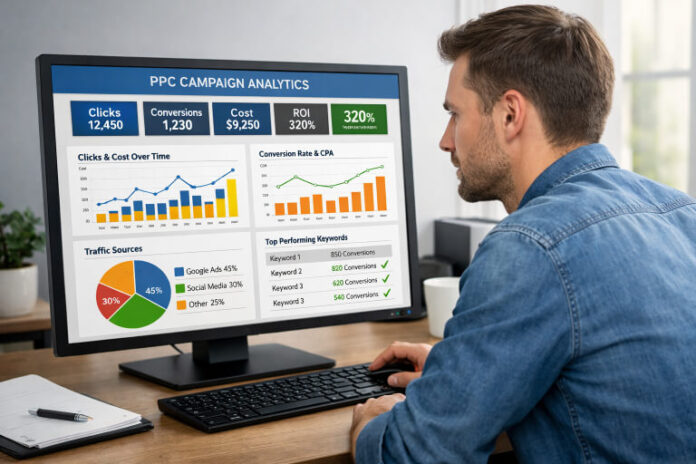
Pay-Per-Click (PPC) advertising stands as a foundation of many digital marketing campaigns, enabling brands to reach targeted audiences and quantify their advertising ROI with pinpoint accuracy. Despite its advantages, PPC reporting presents unique challenges that many agencies encounter. Missteps in this area can erode campaign performance and client trust, turning opportunity into frustration. The importance of high-quality white label PPC reporting cannot be overstated in today’s data-driven landscape.
Transparent and accurate reporting supports not only improved campaign outcomes for clients but also demonstrates an agency’s commitment to partnership and accountability. When agencies deliver vague or incomplete reports, it becomes challenging to identify what’s working, what isn’t, and where resources are best allocated. With more automation and analytics options than ever before, understanding the most common reporting pitfalls and their solutions is essential for every agency, whether new to PPC or seasoned in the craft. A lack of clear communication and reliable insights often leads to wasted spend and missed optimization opportunities. Sloppy reporting not only affects client satisfaction but also restricts strategic advancement and damages brand reputation in the increasingly competitive digital space. Addressing these reporting gaps isn’t just about fixing numbers. Well-structured PPC reporting drives better communication, fosters deeper relationships, and encourages more effective campaign decisions for both agencies and their clients.
Common Pitfalls in PPC Reporting
Several recurring issues lead to inadequate PPC reporting. Recognizing these risks is the first step toward finding solutions:
- Lack of Transparency: When agencies withhold comprehensive data, it generates a disconnect; clients are left questioning what is truly happening within their campaigns. Transparent communication is crucial for nurturing successful long-term collaborations.
- Inadequate Tools and Resources: Agencies that rely on limited or outdated tools frequently struggle to provide a full picture of campaign health. Incomplete analytics can distort performance insights and hinder timely decision-making.
- Focus on Immediate Results: Reports that spotlight only short-term wins ignore bigger-picture growth and often don’t reflect sustainable, profitable outcomes. This approach may mislead clients into believing campaigns are more successful than they actually are.
- Poor Performance or Lack of Results: When campaigns underperform, some agencies may become less communicative. Instead of using these moments as learning opportunities to optimize and grow, results falter further due to a lack of candid reporting and strategic recalibration.
Impact of Inaccurate Reporting
Without accurate, comprehensive PPC reporting, negative repercussions ripple through campaigns and client relationships. Issues include:
- Misallocation of Budget: When reports are wrong or incomplete, marketing dollars may be siphoned into underperforming keywords or channels. Inefficient budget use leads to poor ROI and frustration for clients and agency teams alike.
- Loss of Client Trust: Trust is foundational in any business partnership. When reporting is ambiguous or incorrect, clients inevitably begin to question the agency’s expertise and motives, risking contracts and renewal opportunities.
- Missed Optimization Opportunities: Accurate data uncovers patterns and highlights growth levers. Without it, agencies overlook actionable insights that could have driven more qualified traffic and higher conversions.
Best Practices for Effective PPC Reporting
Agencies can overcome reporting challenges and achieve operational excellence by embracing these proven strategies:
- Establish Clear Objectives: Set measurable, realistic goals for each PPC campaign and align these with the client’s business outcomes. This ensures everyone has the same expectations from the outset.
- Utilize Advanced Analytics Tools: Make use of modern analytics platforms that provide multi-channel visibility and enable performance benchmarking. Platforms like Google Analytics and Microsoft Clarity can significantly elevate the quality of insights.
- Maintain Transparency: Share holistic reports with clients, including both positive trends and areas that need improvement. Encourage regular discussions to review data collaboratively and plan optimizations.
- Focus on Long-Term Performance: Instead of highlighting only quick wins, structure reports to illustrate gradual progress and sustainable growth, balancing near-term metrics with long-term business impact.
- Regularly Review and Optimize: Use reporting insights not just as a record but as a roadmap for the future. Consistently identify opportunities for A/B testing, keyword refinement, or landing page updates based on reported data.
For deeper insight into advanced measurement tactics, review this resource from the Search Engine Journal that breaks down actionable reporting best practices for agencies.
Leveraging Technology for Better Insights
Modern technology expands what’s possible in PPC reporting. Agencies can stay ahead by investing in several innovative avenues:
- Automated Reporting Tools: Automation accelerates the speed at which agencies collect, compile, and analyze campaign results, eliminating common manual errors and freeing up time for strategy rather than routine reporting tasks.
- AI and Machine Learning: Artificial intelligence solutions can identify hidden trends and surface performance opportunities that traditional analytics approaches might otherwise overlook. These insights facilitate more predictive and adaptive campaign management.
- Integration with CRM Systems: Connecting PPC data directly with CRM platforms closes the loop between marketing performance and business outcomes, providing end-to-end visibility into lead quality and lifetime value.
Case Study: Improving PPC Reporting
A mid-sized digital marketing agency recently upgraded its PPC reporting approach following recurring issues with data reliability. By introducing sophisticated analytics tools and establishing clear communication protocols, the agency realized immediate benefits. Reporting accuracy improved substantially, clients received full transparency on both challenges and successes, and campaign outcomes followed suit. Clients responded with higher satisfaction ratings, citing clarity and responsiveness as key differentiators. Internally, the agency could refine its strategies, doubling down on what worked and quickly pivoting from underperforming tactics.
- Enhanced Data Accuracy: Less room for error led to greater trust in the numbers.
- Increased Client Satisfaction: Openness around campaign health resulted in improved retention rates and healthier agency-client relationships.
- Better Campaign Performance: Detailed insights enabled ongoing optimization, which directly improved key metrics and ROI.
Conclusion
The path to effective PPC reporting begins with awareness of common challenges and is sustained through the adoption of best practices and innovative tools. When agencies prioritize transparency, invest in analytics, and establish clear communication, they build stronger relationships and position their clients’ campaigns for continued growth. High-quality reporting transforms data into actionable insight and trust, ensuring PPC investments deliver the impact today’s businesses demand.


 advertising stands as a foundation of many digital marketing campaigns, enabling brands to reach targeted audiences and quantify their advertising ROI with pinpoint accuracy.)