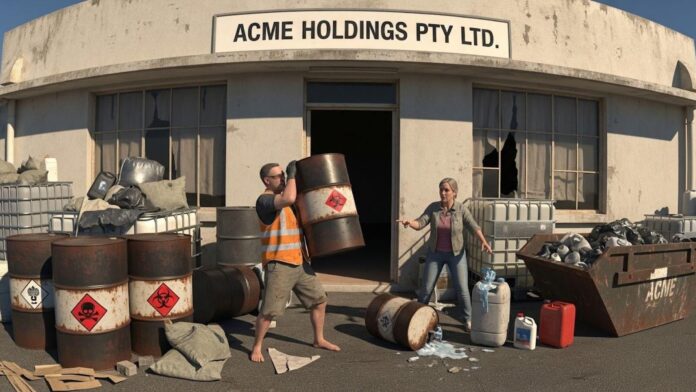
Managing hazardous waste is a serious responsibility for Australian businesses across construction, manufacturing, healthcare, logistics and many other sectors
Despite this, hazardous waste removal is still an area where many businesses make avoidable mistakes.
This article explores the most common errors Australian businesses make with hazardous waste removal, why they happen and how they can be prevented with better systems, training and planning.
Misunderstanding what counts as hazardous waste
One of the most frequent mistakes is assuming hazardous removal only applies to obvious materials like chemicals or medical waste.
In reality, hazardous waste covers a wide range of substances that pose risks to people, property or the environment.
Many Australian businesses generate hazardous substances and hazardous materials without realising it.
This can include contaminated soil, asbestos, solvents, paints, oils, batteries, e waste, cleaning agents and by products from industrial processes.
It also includes some forms of industrial waste which can be potentially harmful if they are not treated safely.
When these materials are misclassified as general waste, they are often stored, handled and disposed of incorrectly.
Misidentification leads to compliance breaches and increases the chance of exposure incidents. A proper waste audit conducted by a qualified professional helps businesses accurately identify hazardous waste streams and apply the correct handling procedures.
Poor on site storage and segregation
Improper storage is a major contributor to hazardous waste incidents.
Many businesses store hazardous waste in unsuitable containers, overcrowded areas or locations without proper ventilation and spill containment.
Another common issue is failing to segregate hazardous waste types. Mixing incompatible substances can cause chemical reactions, fires or toxic gas releases. Even when materials are compatible, mixing waste streams can make disposal more complex and expensive.
Correct storage requires approved containers, clear labelling, secure areas and separation based on chemical compatibility. These controls protect staff, reduce environmental risk and simplify downstream hazardous waste removal.
Inadequate staff training on items accepted as hazardous substances
Hazardous waste handling is often treated as a back of house task with minimal training provided to staff. This is a serious oversight.
Employees are the first line of defence against spills, exposure and compliance failures.
Without proper training, staff may not recognise hazardous waste, understand labelling systems or follow safe handling procedures.
This can lead to accidental exposure, incorrect disposal and unsafe storage practices.
Effective training should be role specific and refreshed regularly.
It should cover identification of hazardous waste, emergency response procedures, use of personal protective equipment and reporting requirements.
Well trained staff reduce risk and improve overall waste management outcomes.
Choosing unlicensed or unsuitable contractors
Cost cutting is another common driver of mistakes in hazardous waste removal.
Some businesses engage unlicensed operators or contractors who lack the expertise to manage hazardous waste safely and legally.
Worse, this follows a trend commonly used with household hazardous waste generated.
If hazardous waste is mishandled after it leaves your site, responsibility can still rest with your business.
Illegal dumping, improper treatment or disposal at unapproved facilities can result in fines and legal action even if a third party was involved.
Australian businesses should always verify that their hazardous waste contractors are properly licensed, insured and experienced with the specific waste types involved.
Transparent documentation and waste tracking are key indicators of a reputable provider.
Poor documentation and record keeping
Hazardous waste removal generates significant paperwork including waste manifests, transport certificates and disposal records. Many businesses underestimate the importance of accurate documentation.
Incomplete or missing records make it difficult to demonstrate compliance during audits or investigations.
They also reduce traceability if a waste issue arises downstream.
Maintaining clear records is not just a regulatory requirement. It also helps businesses analyse waste generation trends, identify reduction opportunities and improve cost control. Digital waste tracking systems are increasingly used to simplify this process and reduce administrative errors.
Ignoring environmental risks beyond compliance
Some businesses view hazardous waste management purely as a compliance exercise. This narrow focus can lead to decisions that meet minimum legal standards but still pose environmental risks.
For example, selecting disposal methods based only on cost may increase the likelihood of long term contamination or community impact. Poor site practices can allow leaks or runoff that affect soil and waterways even if disposal paperwork is technically compliant.
A more responsible approach considers the full environmental lifecycle of hazardous waste. This includes minimising generation, selecting sustainable treatment options where available and working with contractors who prioritise environmental protection.
Delaying hazardous waste removal
Allowing hazardous waste to accumulate on site is another common mistake. Businesses may delay removal to reduce transport costs or because waste volumes seem manageable.
Extended storage increases the risk of container failure, spills, theft and exposure incidents. It also raises the likelihood of exceeding legal storage time limits, which can trigger penalties.
Regular hazardous waste removal schedules reduce risk and create predictability in operations. They also make it easier to maintain compliant storage conditions and documentation.
Lack of emergency planning
Even well managed sites can experience hazardous waste incidents. Spills, container damage and accidental exposure can occur due to equipment failure or human error.
Many Australian businesses lack clear emergency response plans for hazardous waste incidents. This leads to confusion, delayed response and increased harm when something goes wrong.
Emergency plans should include spill response procedures, access to spill kits, evacuation protocols and clear reporting lines. Staff should know exactly what to do if an incident occurs and who to contact for immediate support.
Overlooking waste reduction opportunities
The safest hazardous waste is the waste that is never created. Yet many businesses focus only on removal rather than reduction.
Inefficient processes, over ordering of materials and poor inventory control can all increase hazardous waste volumes. This drives higher disposal costs and greater risk exposure.
By reviewing processes and materials, businesses can often reduce hazardous waste generation significantly. Substitution of less hazardous alternatives, improved maintenance and better procurement practices all contribute to safer and more cost effective operations.
Further Information on hazardous waste removal
Avoiding these common mistakes requires a proactive and informed approach to hazardous waste management.
Australian businesses benefit from understanding their obligations, investing in training and partnering with reputable contractors.
Hazardous waste removal is not just a regulatory requirement. It is a core part of protecting workers, communities and the environment.
When managed properly, it also supports operational efficiency and long term business sustainability.
By addressing gaps early and treating hazardous waste as a priority rather than an afterthought, businesses can reduce risk and build stronger compliance across their operations.


