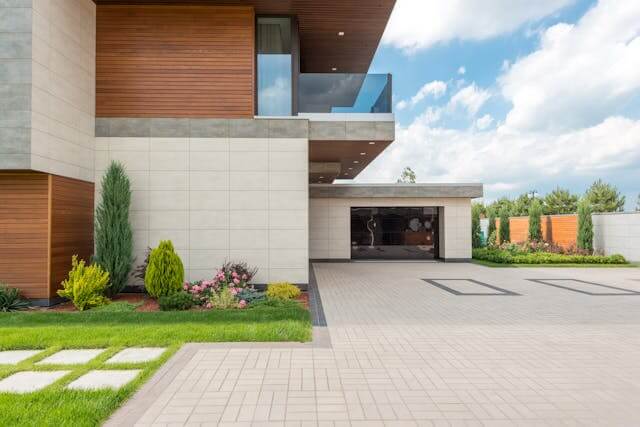
A fix-it-later-costs-more mindset is often what quietly drains property value over time. Homes are not static assets, they shift, age, and respond to their environment daily. Small issues rarely stay small when they are ignored. Paint fades, wood weakens, moisture builds, and systems begin to strain. These changes do not always show up immediately, but they accumulate.
Many homeowners focus on major upgrades while routine care is pushed aside. That imbalance creates a gap between appearance and actual condition. Buyers may see a polished surface, yet underlying problems reduce real value. Maintenance should not be reactive, it should be steady and consistent. So what actually keeps a property strong, stable, and valuable over time?
Ignore The Small Stuff Now, Pay For It Later
Minor issues are often dismissed because they seem manageable at first. A small crack, a loose seal, or a slight discoloration does not feel urgent. Over time, these signs point to deeper problems that require more effort to fix.
Pest activity is one area where delays cause serious damage. Wood structures can weaken without clear warning, and repairs become expensive once the damage spreads. But only work with the best termite control services, so as to ensure the infestation is handled completely and does not return unnoticed. Partial fixes rarely solve the problem, and recurring damage lowers property value quickly.
Consider a home where minor pest signs are ignored for months. Structural wood begins to weaken, and repairs become extensive. Now compare that with early intervention that stops the issue at its source. The cost difference is significant, and so is the impact on value.
Maintenance is not just about fixing what is visible. It is about preventing what cannot yet be seen. Are small warning signs being addressed or pushed aside?
Structure First, Looks Second
Visual upgrades often get attention because they are easy to notice. Fresh paint, new fixtures, and updated finishes improve appearance quickly. However, structural integrity determines long-term value.
Walls, roofing, and foundational elements should be inspected regularly. Moisture intrusion, uneven settling, and material wear should be addressed early. These issues do not fix themselves, and delays increase repair costs.
Think about a property where the exterior looks modern, but the foundation shows cracks. Buyers notice that contrast, and confidence drops. Now compare that with a home where both structure and appearance are maintained. The second property feels more reliable and commands higher value.
Strength should always come before style – without it, upgrades lose their impact.
The Maintenance Moves That Actually Matter
Consistent maintenance is built on repeatable actions that protect the home over time. These actions should be scheduled and followed without delay.
- Inspect roofing regularly to catch leaks before they spread
- Check plumbing systems for slow leaks that may go unnoticed
- Maintain exterior paint and coatings to protect surfaces from weather
- Clean drainage systems so water does not collect near the foundation
- Service HVAC systems to keep them running efficiently
Each of these steps supports the overall condition of the property. When skipped, problems begin to stack up. When followed consistently, they prevent costly repairs.
Small actions create long-term stability. That stability protects value and reduces unexpected expenses. Are these tasks part of a routine or handled only when problems appear?
Efficiency Adds Value Without Being Seen
Energy efficiency is not always visible, yet it plays a major role in property value. Homes that operate efficiently are more attractive to buyers and easier to maintain.
Insulation, sealing, and system performance all contribute to efficiency. When these elements work together, energy usage is reduced. Lower utility costs increase the appeal of the property.
Think about a home that maintains a stable indoor temperature without constant system use. That efficiency is noticed during inspections and evaluations. Now compare that with a home where systems struggle to maintain comfort. The difference affects both value and desirability.
Efficiency improvements should be treated as essential – not optional. They support both comfort and long-term savings.
Documentation And Records Quietly Protect Value
Maintenance work should not just be done, it should be recorded properly. Documentation adds a layer of credibility that buyers and inspectors rely on. Without records, even well-maintained properties may raise doubts.
Service receipts, inspection reports, and repair logs should be organized and updated regularly. These documents show that the property has been cared for consistently. They also help track recurring issues before they escalate further.
Think about a property being evaluated for sale. One has clear records of roof repairs, pest control, and system servicing. The other has no documented history. Which one feels more reliable? Which one reduces hesitation during negotiations?
Records do more than store information – they support the value of every upgrade made. They show effort, consistency, and attention to detail. Is maintenance being documented properly or left untracked?
Clear documentation also helps during inspections, where proof is often expected rather than assumed. Inspectors rely on records to verify that systems have been serviced and issues have been addressed. Without that proof, even well-maintained properties may raise questions. Those questions can slow down transactions and affect perceived value.
Records also make future planning easier, especially when recurring maintenance is involved. Past repairs, service timelines, and material choices can be tracked and reviewed when needed. This reduces guesswork and helps avoid repeated mistakes. Over time, this level of organization supports smarter decisions and keeps the property performing at a higher standard.
Consistency Is What Protects Value Over Time
Maintenance works only when it is consistent. Occasional fixes do not create lasting results. Regular attention keeps problems from growing into major issues.
Each part of the home should be reviewed periodically. Wear and tear should be addressed early, and systems should be kept in working condition. Preventive care reduces the need for large-scale repairs.
A property that is maintained consistently performs better over time. One that is neglected shows signs of decline quickly. Buyers recognize this difference, even if they cannot explain it directly.
Is maintenance treated as an ongoing process or a last-minute fix? That question shapes how value is preserved.
Property value is not protected through one major upgrade. It is maintained through steady, thoughtful care. When each part of the home is supported, the entire property holds its value and performs as expected.


