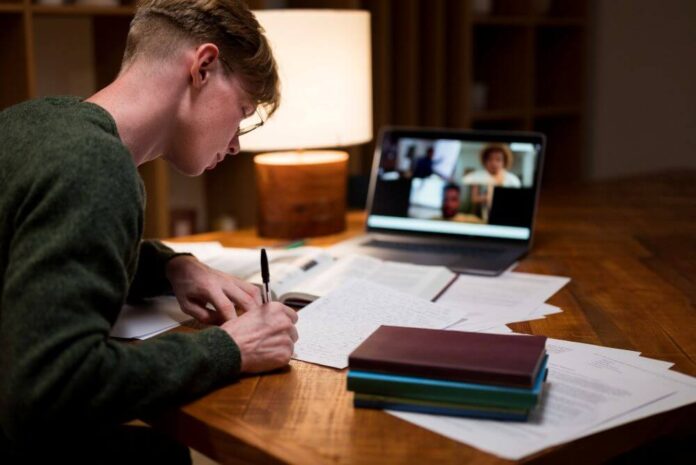
Home-based schooling has come a long way from printed workbooks and self-paced textbooks. Today, remote schools offer something far more organized, a full academic experience that keeps students on track, engaged, and progressing.
If you’ve ever wondered how that structure actually works, here’s what it looks like in practice.
Live Instruction That Mirrors the Classroom Experience
Remote learning doesn’t mean learning alone. Most online schools now offer live, virtual classes where students see and hear their teachers in real time. These sessions follow a set schedule, cover specific lesson objectives, and allow students to ask questions just as they would in a physical classroom.
The rhythm of showing up at a set time each day creates consistency, which matters more than most people realize when it comes to retention and motivation.
State-Aligned Curriculum Delivered by Certified Teachers
One of the most important aspects of any remote school is whether its curriculum meets state academic standards. Families researching Ohio online schools often discover that accredited programs are taught entirely state-certified educators who follow the same frameworks used in traditional schools.
Virtual Prep Academy, for instance, delivers this kind of standards-aligned instruction in a fully online format, making it a practical option for families who want structured learning without a physical campus.
Asynchronous Lessons for Self-Directed Learning
Alongside live classes, recorded lessons give students the flexibility to revisit content at their own pace. A student who needs to hear an explanation twice can do so without feeling rushed. This format works especially well for complex subjects where concepts build on each other.
Rather than keeping up with a single class pace, students can move through material in a way that matches how they actually learn, and that makes a real difference in long-term comprehension.
Tracking Progress through Digital Assessment Tools
Quizzes, assignments, and progress reports are all handled digitally, giving teachers an accurate picture of where each student stands. These tools flag gaps early, so instruction can be adjusted before a student falls behind.
Regular assessments also help students stay accountable, since there’s a clear record of what’s been completed and what still needs attention. It shifts the focus from simply getting through lessons to actually understanding them.
Building Daily Routines around Scheduled Check-Ins
Structure doesn’t come from the building, it comes from the schedule. Remote schools build routine into the school day through regular check-ins, attendance requirements, and predictable lesson blocks. Students know when to log on, what to expect, and when their day wraps up.
That predictability reduces the mental load on both students and parents, and it makes home-based learning feel much less improvised than people assume it will be.
Parent Dashboards for Real-Time Academic Visibility
Parents aren’t left guessing about how their child is doing. Most remote schools provide dashboard access where families can see grades, attendance, upcoming assignments, and teacher feedback in one place.
This kind of transparency keeps parents involved without requiring them to micromanage the school day. It also means that if something slips it gets noticed quickly and can be addressed before it becomes a bigger problem.


