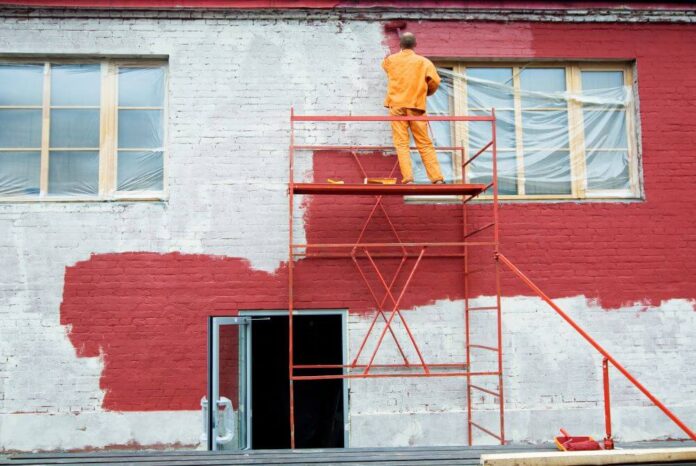
Whether you’re a property investor looking at potential projects or simply curious about architectural preservation, understanding the terminology around building renovation is essential for clear communication in the industry. What is it called when you renovate an old building?
When you renovate an old building, it’s most commonly called “restoration” or “rehabilitation,” with restoration focusing on returning a building to its original state and rehabilitation modernizing while preserving historic elements.
While these terms might seem straightforward, there are actually several other specific terms that apply depending on the scope, purpose, and historical significance of the renovation project. Understanding these distinctions can help you better communicate your project goals and ensure compliance with local preservation guidelines.
What Are The Different Types Of Building Renovation Terms?
When discussing building renovation, several distinct terms describe different approaches to updating old structures. A “restoration” involves returning a building to its original historical appearance, often using period-appropriate materials and techniques. “Rehabilitation” modernizes a building while maintaining its historic character, allowing for contemporary uses while preserving significant features.
“Reconstruction” refers to recreating a building that no longer exists, while “preservation” focuses on maintaining a building in its current state and preventing further deterioration. “Adaptive reuse” involves converting a building for a purpose different from its original use, such as turning an old warehouse into apartments.
How Do Local Preservation Laws Affect Building Renovation?
Many communities have specific regulations governing the renovation of historic buildings. These laws often require property owners to obtain special permits and follow strict guidelines when modifying structures in historic districts or buildings listed on historic registers.
The level of regulation typically depends on the building’s historical significance and location. Some areas require approval from historic preservation boards for any exterior changes, while others may only regulate major structural modifications. Understanding these requirements early in the planning process is crucial for avoiding costly delays or violations.
What Are The Cost Differences Between Different Types Of Building Renovation?
Generally, restoration is the most expensive approach because it requires historically accurate materials and specialized craftspeople. Rehabilitation tends to be less costly since it allows for modern materials and methods while maintaining historic character.
Preservation can vary in cost depending on the building’s condition but often requires ongoing maintenance investments. Adaptive reuse projects typically fall in the middle range, with costs heavily dependent on the extent of modifications needed to accommodate the new use. The final cost also depends on factors such as the building’s age, condition, and local material and labor costs.
What Documentation Is Required For Historic Building Renovation?
Before beginning a historic building renovation, property owners typically need to compile extensive documentation. This includes detailed photographs of the building’s current condition, architectural drawings of both existing features and proposed changes, and historical documentation showing the building’s original appearance and subsequent modifications.
Many preservation boards also require a thorough assessment of the building’s historical significance, including its architectural style, notable features, and role in local history. This documentation not only satisfies regulatory requirements but also serves as a valuable reference during the renovation process and creates a historical record for future generations.
What Skills And Professionals Are Needed For Building Renovation Projects?
Successful building renovation projects typically require a team of specialized professionals. An architect with historic preservation experience is often essential, particularly for projects involving significant structural modifications or historic properties. Preservation consultants can help navigate regulations and ensure compliance with historical standards.
Skilled craftspeople who understand traditional building techniques are crucial for restoration work, including masons who can match historic mortar, carpenters familiar with period woodworking methods, and metalworkers who can replicate historic architectural elements. Additionally, modern building systems experts are needed to integrate contemporary amenities like HVAC, electrical, and plumbing systems without compromising historic integrity.
A project manager experienced in historic renovation can coordinate these various specialists and ensure that modern building codes are met while preserving historical elements. This expertise is particularly important because historic renovation projects often encounter unexpected challenges that require creative problem-solving and specialized knowledge.
Conclusion
Before starting any renovation project on an older building, schedule a consultation with a local preservation architect or consultant who can assess your specific situation and help you understand which type of renovation approach best suits your building and goals. This initial professional guidance will help you avoid costly mistakes and ensure you’re following the appropriate preservation standards from the beginning. Having this expert input early in the process will also help you develop a more accurate budget and timeline for your renovation project.


