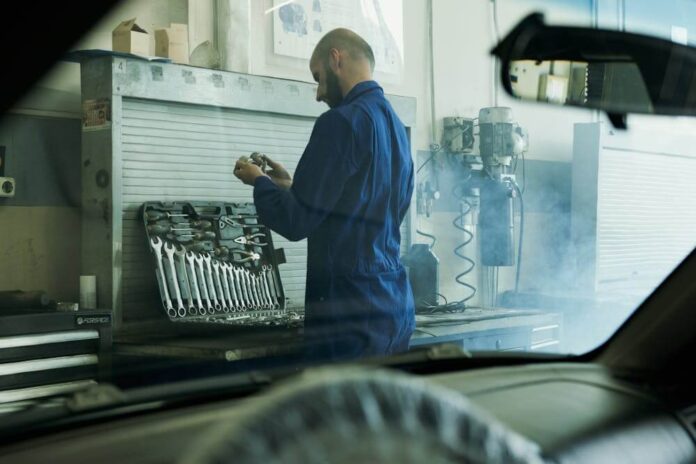
Workplace efficiency depends on how well physical systems support daily tasks, precision requirements, and human movement across operational zones. A poorly arranged workstation slows output, increases fatigue, and elevates error risk even among highly skilled personnel. Structured, adaptable work surfaces offer a direct path toward better productivity and safer task execution.
Facilities that invest in industrial workbenches with adjustable features gain far greater control over workflow design and space utilization. Purpose-built configurations allow each workstation to align with task intensity, equipment load, and operator comfort. This article outlines five proven ways thoughtful workbench design improves daily efficiency across industrial settings.
1. Task Alignment Through Configurable Layouts
Custom layout options allow work surfaces to match exact task dimensions without wasted reach or surface congestion. Precision alignment reduces unnecessary movement that causes micro-delays during repetitive operations. Adjustable depth and width support fine assembly tasks and heavy component handling within the same facility. Structured arrangement improves visual order, which supports faster decision cycles under production pressure.
Equipment placement based on task frequency limits cross-traffic between stations. Output stability rises when physical design mirrors process flow rather than forcing adaptation. This alignment shortens material handoff time while preserving clear movement paths across high-activity production zones.
2. Ergonomic Design That Sustains Workforce Performance
Adjustable height features allow operators of different statures to maintain proper posture throughout extended work periods. Neutral body alignment reduces muscular strain that leads to fatigue and reduced concentration. Wrist-level surface positioning supports precision hand control for technical assembly and inspection tasks. Anti-fatigue integration beneath standing stations supports circulation and endurance.
Reduced physical stress translates into longer sustained focus across shifts. Efficiency gains emerge naturally from work environments that support the human body. Improved comfort reduces distraction that leads to minor operational errors and unnecessary production slowdowns. Consistent physical support allows personnel to maintain steady performance without the fatigue that gradually erodes output quality over time.
3. Load Capacity That Maintains Structural Stability
High load-rated frames support dense equipment without flex that could compromise alignment or measurement accuracy. Structural rigidity protects precision instruments from vibration-related deviation during the heavy thermodynamic cycle. Even weight distribution across reinforced legs ensures long-term surface stability.
Material selection influences resistance to impact, heat, and chemical exposure. Consistent structural integrity prevents gradual performance decline linked to surface distortion. Reliable support capacity protects equipment investment and process consistency.
4. Modular Expansion That Adapts to Process Growth
Expandable modules allow facilities to increase workstation capacity without a full layout overhaul. Drawer integration supports immediate access to tools without secondary storage. Accessory mounting options accommodate lighting, power distribution, and digital interfaces.
Consistent footprint geometry simplifies future reconfiguration planning. Growth capability supports new product lines without production interruption. Process continuity remains intact even as operational demand increases.
5. Organizational Precision That Reduces Process Waste
Integrated drawer systems support systematic tool placement that reduces search time and misplacement. Visual organization lowers cognitive load during complex multi-step procedures. Dedicated storage zones prevent surface congestion that can interfere with measurement accuracy.
Inventory accountability improves through fixed-position equipment management. Clean surface control limits cross-contamination in technical environments. Waste reduction emerges from disciplined spatial order rather than constant corrective effort. Systematic placement also simplifies audit procedures by allowing rapid verification of tool presence and condition without prolonged inspection cycles.
Customizable workstation systems influence efficiency at structural, ergonomic, and procedural levels within modern facilities. Ergonomic balance and organized access each contribute measurable operational gains. Facilities that deploy industrial workbenches with precision-driven design principles achieve higher productivity with reduced physical stress and lower process waste. Thoughtful workstation selection quietly shapes long-term workplace efficiency across all performance tiers.


