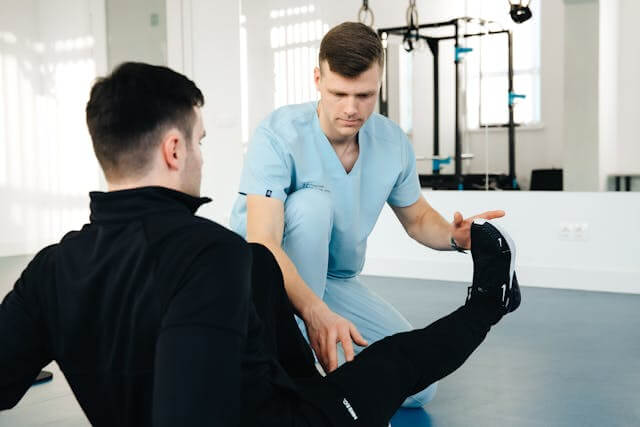
Healing from a physical setback requires a deeper understanding of how your muscles, joints, and nerves work together to move your body. When you choose to work with a trained expert, you gain a partner who can identify the root cause of your discomfort. This blog post explores the vital reasons why seeking professional guidance is the most effective way to restore your strength and your personal mobility.
1. Receive a Precise and Personalised Assessment
The first step of any successful healing process is to probe yourself, your posture and your range of movements. Your therapist is supposed to know so much more about when the pain started and which things make or break the whole day as you move. A well-based approach, the professional analysis offers you a clear and specific vision and map when you’re not going to be able to be the same.
2. Benefit from Evidence-Based Treatment Techniques
Professional therapists examine current scientific evidence in great detail to make sure that the methods as they’re used are safe and effective for the body. If you think manual therapy can be used, dry needling and some specific stretching therapy or stretching are safe. Additionally, these clinical techniques are more reliable than random advice found on the internet, which might not be suitable for your condition.
3. Reduce Pain Without Relying on Medication
Many people seek therapy because they want to manage their discomfort naturally. Targeted movements and soft tissue massage can release the tension in your muscles and calm the nervous system without the need for heavy painkillers. Learning how to move your body correctly can prevent the “flare-ups” that often lead to a cycle of chronic pain and a reliance on temporary chemical relief.
4. Restore Your Natural Range of Motion
After an injury or a long period of rest, your joints can become stiff, and your muscles can shorten. Follow the guided stretching and mobilisation exercises provided by your therapist to gently push your boundaries once enjoyed in your youth. Improving your mobility allows your body to distribute weight evenly, which takes the pressure off your sore spots and helps you move with a sense of fluid grace.
5. Prevent Future Injuries from Occurring
A large part of the recovery process involves strengthening the supporting muscles around your joints. Focus on the stability exercises that your therapist recommends, as these build a protective layer for your body against the stresses of daily life and intense physical activity. Learning about correct lifting techniques helps you navigate your workplace or your home in a way that is safer for your spine.
6. Improve Your Balance and Coordination
Injuries can sometimes disrupt the connection between your brain and your limbs, leading to a feeling of clumsiness. Practise the specific balance drills that challenge your senses and force your smaller stabilising muscles to work together in perfect harmony for your safety. Moreover, better coordination ensures that you can react quickly to a slip or a trip, which is especially important as you get older.
7. Stay Motivated with Professional Support
Recovering from a major physical issue can be a long and emotional road. You should rely on your therapist to track your small victories and provide the encouragement you need to keep showing up for your sessions and your home exercises. Having a professional, like the physiotherapist Raymond Terrace, for instance, allows you to talk about your frustrations and allows you to stay focused on your health.
Your Path to a Stronger Future
Seeing a professional physiotherapist is an investment in your ability to live a life that is free from the limitations of physical pain and restricted movement. Recovery is a process that requires patience, but the reward of moving without fear is worth every bit of effort you put into your sessions. With the help of an expert, you are ready to reclaim your active lifestyle and look forward to a future of health.


